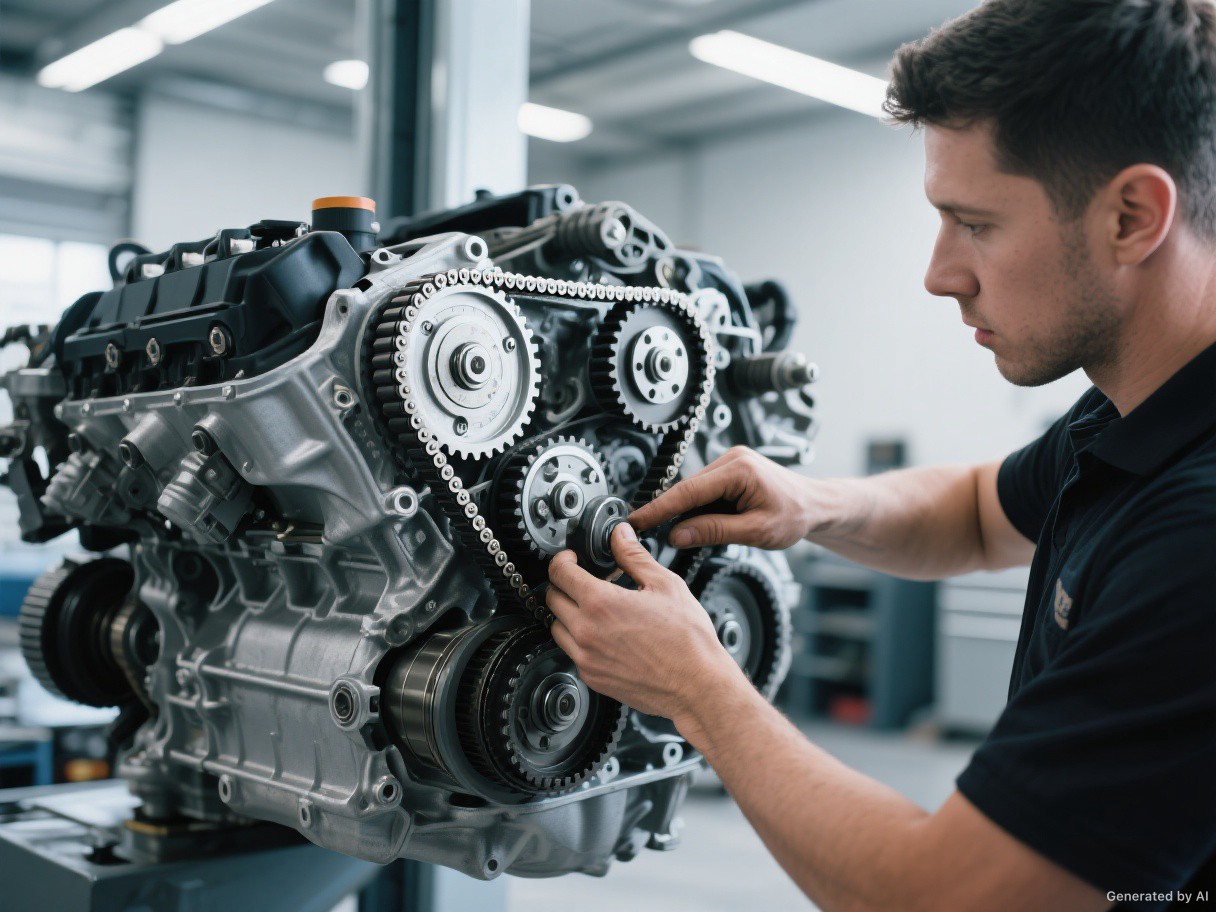
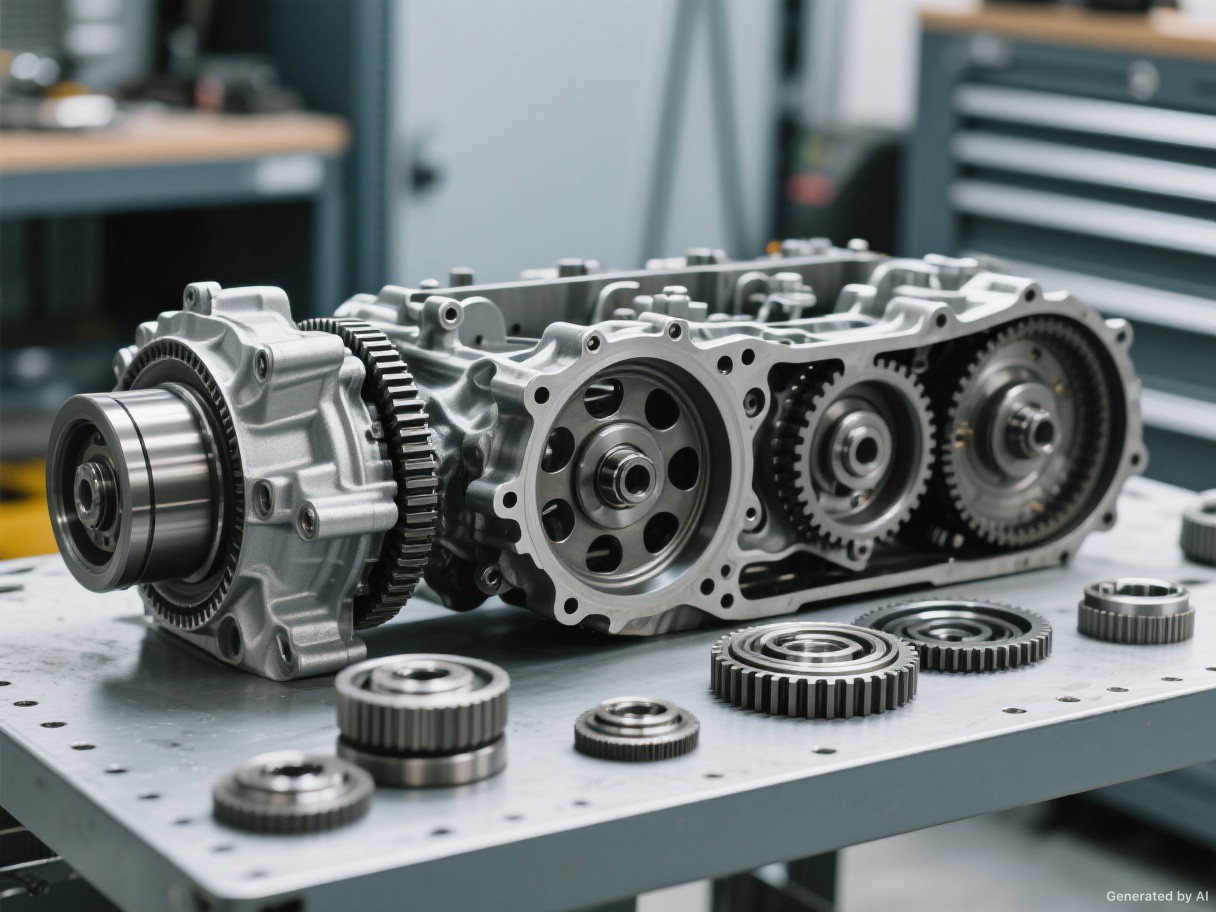
A timing belt usually comes with a scheduled replacement cost. A timing chain often sounds like a lifetime part, but it can still become a serious ownership problem if oil discipline, guides, or tensioners are neglected.
Quick answer
Which is safer to own?
Neither is automatically safer. A belt can be predictable if replaced on schedule. A chain can be durable, but only if the engine receives correct oil and consistent maintenance. What matters most is proof of care on the exact vehicle you are buying.
BeltsUsually predictable but time-sensitive and expensive if ignored.
ChainsOften longer-lived but vulnerable to oil neglect, worn guides, and cold-start noise.
Used buyersShould care more about invoices, start-up behaviour, and engine reputation than the words belt or chain alone.
Best habit
Service history beats assumptions
A chain is not magic, and a belt is not automatically a deal-breaker. The smarter question is whether maintenance records and start-up behaviour support the seller's story.
Timing systems matter because one neglected service item can turn a plausible used car into a high-risk engine bill.
Why timing systems matter so much
The timing system keeps valves and pistons moving in the correct relationship. If it fails, the result can range from a breakdown to major engine damage. That is why buyers should treat timing-system evidence as one of the first serious ownership checks on a used car.
Timing belt ownership risk
A timing belt is a wear item. If the engine uses one, the main question is whether it has been replaced at the correct mileage or time interval. On interference engines, a failed belt can lead to expensive internal damage very quickly.
Ask for invoice proof, not just verbal reassurance.
Check whether related items such as water pump and tensioners were changed at the same time.
If the interval is uncertain, price the job immediately into the purchase decision.
Timing chain ownership risk
Chains often last longer, but they are not maintenance-free. Stretched chains, weak tensioners, worn guides, and poor oil service can all create expensive problems. Some chain-driven engines become risky mainly because owners believe the system never needs attention.
Cold-start rattle can be a major warning sign.
Poor oil history matters more on many chain-driven engines than buyers expect.
A supposedly lifetime chain still needs a healthy lubrication and tensioning environment to stay that way.
Chain-driven engines can still become expensive when oil neglect, worn guides, or weak tensioners are allowed to build quietly over time.
What used-car buyers should ask immediately
Was the belt changed on time if the engine uses one?
Are there invoices showing correct oil servicing if the engine uses a chain?
Does the car make timing-related noise at cold start or idle?
Is the engine family known for belt or chain trouble?
When to slow down or walk away
If the timing story is vague, the engine is noisy at cold start, the oil history is weak, and the seller wants you to ignore those details, treat the car as higher-risk. Timing work is the kind of issue that turns an attractive price into an expensive rescue mission.
Use this guide with the used-car inspection checklist if you are evaluating a second-hand vehicle. If the engine design itself is still unclear, go back to the engine components guide before deciding how much timing-system risk you are willing to own.