Luxury cars represent the automotive apex where engineering excellence, craftsmanship mastery, and technological innovation converge creating vehicles transcending mere transportation. These automobiles embody manufacturers' capabilities through meticulous attention to detail: hand-stitched leather requiring 20+ hours per interior, wood veneers selected from single trees ensuring grain consistency, and paint processes involving 15-20 layers achieving mirror-like finishes. Luxury vehicles deliver serene sanctuaries isolating occupants from external chaos through acoustic laminated glass, active noise cancellation, and sound-deadening materials achieving highway noise levels of 55-60 dB (libraries measure 40 dB, normal conversation 60 dB). Powerful yet refined engines—4-cylinder turbochargers (248-300 hp), inline-6 turbochargers (335-400 hp), V8s (500-600+ hp), and V12s (600-700+ hp)—deliver effortless acceleration while maintaining whisper-quiet operation.
Luxury automotive hierarchy spans entry-level premium ($40,000-$55,000: Audi A3, Mercedes A-Class, BMW 2-Series), mid-level luxury ($55,000-$80,000: BMW 5-Series, Mercedes E-Class, Audi A6), flagship sedans ($85,000-$150,000: BMW 7-Series, Mercedes S-Class, Audi A8), and ultra-luxury brands ($150,000-$500,000+: Bentley, Rolls-Royce, Maybach). Each tier elevates materials quality, technology sophistication, and prestige. Entry-level models introduce luxury brand experiences at accessible prices, often sharing platforms with mainstream siblings but featuring premium materials, refined powertrains, and advanced technology. Mid-level vehicles represent sweet spots balancing luxury with relatability. Flagships showcase technological prowess through innovations trickling down to mass-market vehicles years later. Ultra-luxury vehicles embody bespoke craftsmanship where customization limited only by imagination and budget.
Ownership extends beyond vehicles themselves encompassing experiences differentiating luxury from mainstream brands. Dedicated customer advisors provide personalized service, complimentary maintenance (typically 3-5 years), loaner vehicles during service visits, and concierge services handling reservations, event planning, and even personal errands. Exclusive brand events—track days, cultural experiences, private concerts—foster community among owners while reinforcing brand prestige. Dealership experiences feature premium lounges with gourmet refreshments, comfortable seating, and attentive staff treating clients as valued guests rather than transactions. These intangibles justify pricing premiums, creating emotional connections transcending rational vehicle evaluations.
Luxury vehicles serve multiple purposes: status symbols communicating success and achievement, comfortable conveyances for executives and celebrities requiring mobile offices, and aspirational products representing life milestones. However, luxury definition evolves: traditional markers (V8 engines, leather, wood) supplement with modern luxuries including autonomous driving technology, seamless connectivity, electrification, and sustainable materials. Younger luxury buyers prioritize technology and environmental consciousness over traditional opulence, driving brands toward electric powertrains (Mercedes EQS, BMW iX, Audi e-tron GT) and vegan leather alternatives. Despite changing preferences, core luxury principles endure: exceptional materials, superior engineering, refined experiences, and prestigious badges differentiating owners from mainstream vehicle drivers. Luxury automotive market remains healthy with global sales exceeding 15 million units annually, proving enduring appeal of automotive excellence regardless of economic fluctuations or cultural shifts.
Materials & Craftsmanship: Luxury interiors showcase automotive artistry through premium materials and exceptional execution. Nappa leather (top 5% of hides) covers seats, dashboards, and door panels with butter-soft texture requiring specialized tanning processes. Stitching—often contrasting colors—is hand-executed with precision spacing and tension impossible for machines to replicate. Open-pore wood veneers from sustainably harvested forests (burr walnut, ash, eucalyptus) retain natural texture and grain patterns, treated with multiple finishing coats achieving glass-smooth surfaces. Genuine aluminum, carbon fiber, or even stone inlays accentuate surfaces. Alcantara suede headliners add luxury touch overhead. Lambswool floor mats, leather-wrapped pillars, and soft-touch surfaces throughout create tactile luxury. Attention extends to hidden areas: trunk linings, door jambs, and engine bays receive finishing absent in mainstream vehicles. This craftsmanship requires hundreds of hours per vehicle—Rolls-Royce Phantom interiors take 450+ hours, Bentley Flying Spur requires 130+ hours leather work alone.
Seating & Comfort Systems: Luxury seats represent furniture-level comfort engineering. Multi-contour adjustability (18-24 way power) enables perfect positioning for any body type. Memory functions store 2-3 driver profiles recalling seat, mirror, and steering wheel positions. Heating elements warm quickly (3-5 minutes to comfortable temperature), ventilation systems actively cool through perforated leather, and massage functions (up to 10 programs) relieve fatigue during long drives through pneumatic bladders rhythmically inflating/deflating. Executive rear seats (flagship sedans) recline significantly, feature ottomans supporting legs, and include controls for climate, audio, sunshades, and even front passenger seat positioning (moving forward creating additional rear legroom). Some ultra-luxury vehicles (Maybach, Bentley) offer airline-style reclining seats with built-in tables, champagne chillers, and entertainment systems transforming rear cabins into mobile first-class lounges.
Technology & Infotainment: Luxury vehicles pioneer technology later appearing in mainstream vehicles. Digital instrument clusters (12.3-15 inches) replace analog gauges with configurable displays showing navigation, performance data, or simplified information based on preferences. Head-up displays project critical information onto windshields maintaining driver focus on roads. Central touchscreens (10-17 inches) control infotainment, climate, vehicle settings through intuitive interfaces. Some systems (BMW iDrive, Mercedes MBUX, Audi MMI) incorporate rotary controllers, touchpads, or gesture controls supplementing touchscreens. Voice assistants (increasingly AI-powered) understand natural language commands. Augmented reality navigation overlays directional arrows onto live camera feeds simplifying complex intersections. Over-the-air updates continuously improve systems without dealership visits. Premium audio systems from Bowers & Wilkins, Burmester, Bang & Olufsen, or Mark Levinson feature 15-30 speakers strategically positioned, dedicated subwoofers, and amplifiers producing concert-hall acoustics.
Suspension & Ride Quality: Luxury vehicles isolate occupants from road imperfections through sophisticated suspension systems. Air suspension standard on most flagships utilizes pneumatic springs automatically adjusting ride height and stiffness based on road conditions, speed, and driver preferences. Comfort modes soften suspensions gliding over bumps gracefully, while sport modes firm damping for spirited driving. Active suspension systems (Mercedes E-Active Body Control, Audi AI active suspension) employ cameras scanning roads ahead, pre-adjusting dampers before wheels encounter irregularities—essentially eliminating bumps entirely. Adaptive dampers adjust rates 1,000+ times per second responding instantaneously to road inputs. Four-wheel steering improves low-speed maneuverability and high-speed stability. The result: magic-carpet rides where road surfaces become abstractions rather than physical sensations, maintaining composure at any speed while delivering confident handling when desired.
Powertrain Refinement: Luxury powertrains prioritize smoothness and silence alongside performance. Engines mount on sophisticated isolators absorbing vibrations. Turbochargers with minimal lag deliver linear power delivery feeling naturally aspirated. Transmissions (8-10 speed automatics or dual-clutch units) shift imperceptibly smooth under normal driving, firming during sport mode operation. Hybrid systems (BMW, Mercedes, Lexus) combine electric motors with gasoline engines achieving supercar acceleration with exceptional efficiency—some flagship sedans achieve 0-60 mph in 3-4 seconds while returning 25+ MPG combined. Electric luxury vehicles (Mercedes EQS, BMW i7, Lucid Air) deliver ultimate refinement: zero engine vibration, instant torque, and whisper-silent operation. Regardless of propulsion, luxury vehicles make 400-600+ horsepower feel effortless rather than dramatic, delivering urgent acceleration when needed while remaining docile and refined during normal operation. The goal: occupants unaware of mechanical complexity enabling their transportation, experiencing only serene progress toward destinations.
Entry-Level Luxury Sedans: Gateway vehicles introducing premium brand experiences at accessible prices ($40,000-$55,000). BMW 3-Series, Mercedes C-Class, Audi A4, Lexus ES, Genesis G70 balance luxury with attainability. Turbocharged 4-cylinders (248-300 hp) or available inline-6 engines (335-380 hp) deliver spirited performance with 0-60 mph times of 5-7 seconds. Interiors feature genuine leather, wood trim, and technology matching or exceeding mainstream luxury expectations. These vehicles suit young professionals establishing careers, empty nesters downsizing, or anyone desiring premium badges without flagship prices. Maintenance costs remain reasonable (for luxury vehicles), and depreciation parallels mainstream vehicles percentage-wise though absolute dollar amounts higher due to starting prices. The BMW 3-Series defines this segment with engaging driving dynamics, premium interiors, and comprehensive technology, while Lexus ES emphasizes reliability and refinement.
Mid-Level Luxury Sedans: Sweet-spot offerings balancing luxury with livability ($55,000-$85,000). BMW 5-Series, Mercedes E-Class, Audi A6, Lexus LS, Genesis G80 elevate materials quality, technology sophistication, and comfort levels. Inline-6 turbochargers (335-380 hp), V8 engines (500-600 hp on performance variants), or sophisticated hybrids power these sedans achieving 0-60 mph in 4-6 seconds. Extended wheelbases provide generous rear legroom (38-40 inches) suitable for chauffeur-driven executives. Interiors rival luxury hotels in appointments: massaging seats, ambient lighting with customizable colors, panoramic sunroofs, and premium audio systems. Advanced driver assistance approaches autonomous capability with traffic jam assist, automated parking, and highway pilot systems. These vehicles serve as executive transportation, successful entrepreneur rewards, and aspirational purchases for accomplished professionals. The Mercedes E-Class exemplifies refined luxury while BMW 5-Series emphasizes driving engagement.
Flagship Luxury Sedans: Manufacturers' pinnacle expressions demonstrating technological prowess ($85,000-$150,000+). BMW 7-Series, Mercedes S-Class, Audi A8, Lexus LS, Genesis G90 showcase innovations eventually trickling to mainstream vehicles. Powerful V8 engines (500-600+ hp), inline-6 mild hybrids, or plug-in hybrids deliver effortless performance. Extended wheelbase variants add 6 inches to rear compartments creating limousine-like space with aircraft-style reclining seats, ottomans, entertainment screens, and climate zones. Technology includes augmented reality displays, gesture controls, AI voice assistants, and semi-autonomous driving capabilities. Noise levels approach library-quiet through extensive sound insulation and active noise cancellation. These vehicles serve CEOs, celebrities, and affluent individuals demanding ultimate luxury and technology. The Mercedes S-Class defines flagship luxury with cutting-edge technology and supreme comfort, setting benchmarks competitors strive matching.
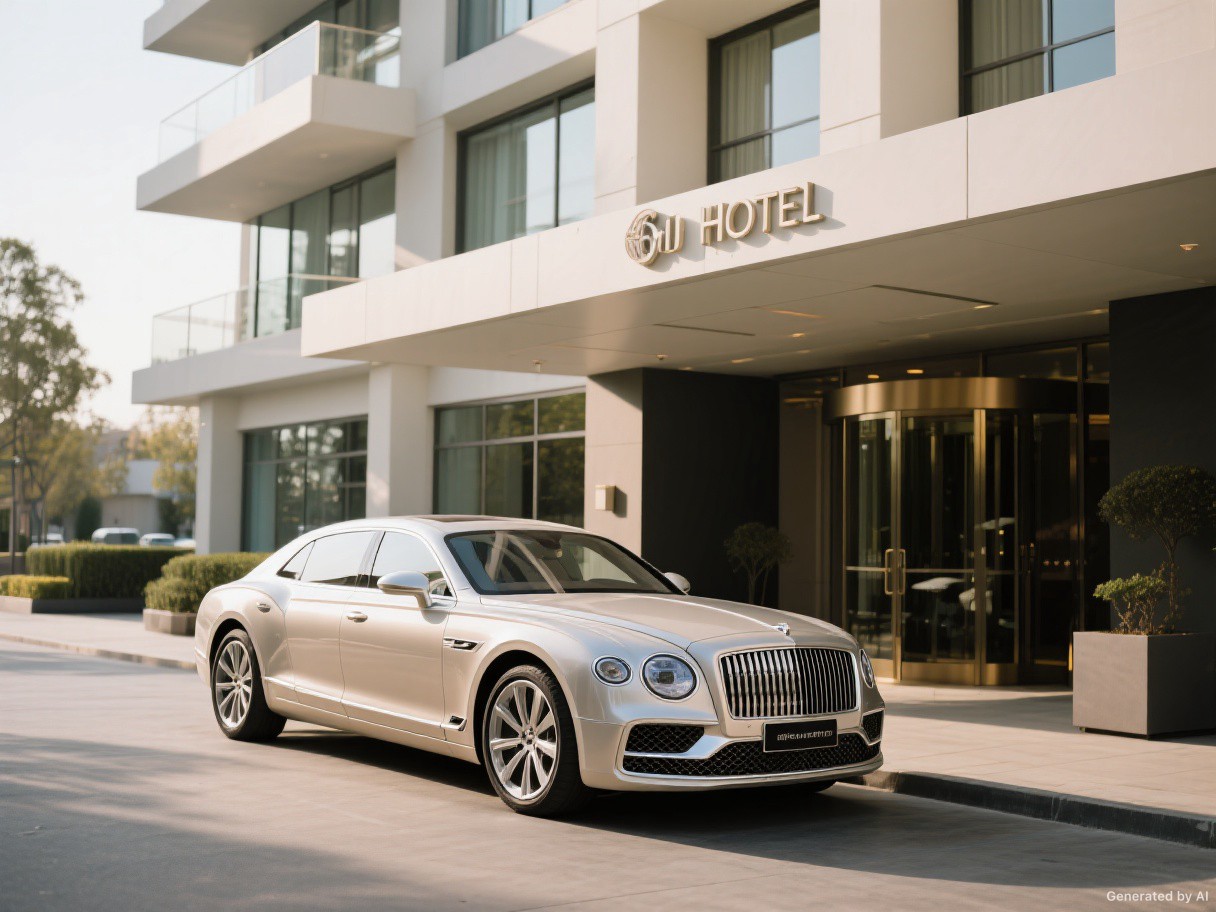
Ultra-Luxury & Bespoke Vehicles: Automotive art pieces emphasizing craftsmanship and exclusivity ($150,000-$500,000+). Bentley Flying Spur, Rolls-Royce Ghost/Phantom, Mercedes-Maybach S-Class represent ultra-luxury philosophy: hand-built interiors with bespoke customization limited only by imagination. Customers select leather colors, veneer species, stitching patterns, and even commission unique paint colors. Powerful V8 or V12 engines (500-700+ hp) provide effortless performance belying 5,000+ lb weights. Interiors feature lambswool carpets, refrigerated compartments for champagne, folding picnic tables, and starlight headliners with hundreds of LED "stars." Rear-seat passengers receive priority with dedicated climate zones, entertainment systems, and power adjustability including front passenger seat positioning. Ownership includes white-glove service: vehicles collected for maintenance, detailed regularly, and owners treated as royalty. These vehicles represent ultimate status symbols, collectible investments, and transportation for ultra-high-net-worth individuals for whom $300,000 vehicles represent rounding errors in net worth statements.
Luxury Performance Vehicles: Sports sedans blending luxury with track-capable performance. BMW M5, Mercedes-AMG E 63, Audi RS6/RS7, Cadillac CT5-V Blackwing feature powerful engines (500-700+ hp from twin-turbo V8s or supercharged variants) achieving 0-60 mph in 3-4 seconds with top speeds exceeding 180 mph. Sport suspensions, performance brakes, and aggressive aerodynamics enable lap times rivaling dedicated sports cars. However, these vehicles maintain luxury: premium interiors, advanced technology, and daily drivability. They suit enthusiasts refusing to compromise performance for practicality or vice versa—school runs weekdays, track days weekends. Insurance and fuel costs escalate significantly, and maintenance reflects performance capabilities. The BMW M5 exemplifies this category with 600 hp twin-turbo V8, sophisticated AWD, and ability transforming from comfortable cruiser to apex predator instantly. These vehicles represent having cake and eating it too: supercar performance wrapped in luxury sedan sophistication.
Status & Achievement Symbols: Luxury vehicles communicate success, achievement, and social standing. Premium badges—three-pointed star, roundel, four rings—convey messages instantly recognized globally. For entrepreneurs, executives, and successful professionals, luxury vehicles represent tangible rewards for hard work and milestones reached. Parking luxury vehicles at offices, client meetings, or social events projects competence, success, and attention to quality. This psychological aspect—how vehicles make owners feel and how others perceive them—significantly influences purchase decisions beyond rational transportation needs. Some buyers specifically choose vehicles signaling understated wealth (Lexus, Audi) versus overt luxury (Mercedes, BMW). Ultra-luxury vehicles (Bentley, Rolls-Royce) occupy rarefied territory where exclusivity and customization trump mass-market considerations entirely. These vehicles represent ultimate expressions of automotive desire and financial capability.
Business & Executive Transportation: Luxury vehicles serve as mobile offices for executives spending hours daily driving or being driven. Rear-seat occupants enjoy airline first-class comfort with reclining seats, ottomans, adjustable climate, and quiet cabins enabling phone calls or contemplation. Rear-seat entertainment systems, WiFi connectivity, and power outlets maintain productivity during transport. Chauffeured passengers (common in flagship models) appreciate extended legroom, privacy glass, and refined ride quality isolating them from traffic chaos. For business owners and executives, luxury vehicles project professional images during client visits and represent operating expenses offering tax advantages. The Mercedes S-Class remains preferred choice for corporate fleets and government officials worldwide due to supreme comfort, bulletproof variants availability, and prestigious brand perception. Lexus ES and Genesis G90 offer similar capability at lower costs for budget-conscious professionals.
Daily Driving & Personal Enjoyment: Beyond status and business use, luxury vehicles deliver daily driving pleasure. Refined powertrains make commutes enjoyable rather than tedious. Comfortable seats support without fatigue during hour-long drives. Premium audio systems transform traffic jams into concert halls. Advanced driver assistance reduces stress: adaptive cruise maintains following distances in stop-and-go traffic, lane keeping prevents drift during momentary distractions, and automated parking simplifies tight-space navigation. Quiet cabins enable hands-free phone calls and voice commands without background noise interference. For enthusiasts, performance luxury vehicles (BMW M, Mercedes-AMG, Audi RS) deliver engaging dynamics making backroad drives thrilling experiences. The versatility—comfortable when needed, exciting when desired—justifies luxury pricing for those valuing driving experiences and daily quality-of-life improvements luxury vehicles provide.
Long-Distance Travel & Touring: Luxury sedans excel at cross-country journeys. Comfortable seats prevent fatigue during 8+ hour days. Sophisticated air suspension systems glide over imperfect pavement. Quiet cabins reduce exhaustion from road noise. Generous fuel tank capacities (18-22 gallons) and reasonable fuel economy (24-28 MPG highway) enable 400-500+ mile ranges between stops. Adaptive cruise with stop-and-go capability makes highway driving less tedious. Rear passengers enjoy entertainment systems, comfortable seating, and climate control maintaining contentment during long drives. Trunk capacities (13-16 cubic feet most sedans) accommodate family luggage for multi-week vacations. These capabilities make luxury sedans preferred choices for road trip enthusiasts valuing comfort over sport utility versatility. European touring traditions—crossing continents at triple-digit speeds on autobahns—showcase luxury sedan capabilities: sustained high-speed cruising with supreme comfort and stability impossible in mainstream vehicles.
Ownership Economics & Practical Reality: Luxury vehicle ownership involves significant financial commitments beyond purchase prices. Depreciation accelerates: new luxury vehicles lose 20-30% value first year, 50-60% after three years (versus 30-40% mainstream vehicles), though ultra-luxury vehicles from Bentley/Rolls-Royce often appreciate if maintained and rare. Insurance costs reflect replacement values and repair expenses: expect $2,000-$5,000 annually (versus $1,200-$2,000 mainstream vehicles). Maintenance, while often complimentary first 3-5 years, becomes expensive thereafter: $2,000-$5,000 annually for routine service (oil, filters, brakes, tires). Premium fuel requirements add $300-$600 annually. Repair costs escalate: $150-$300 oil changes (versus $40-$80 mainstream), $2,000-$4,000 brake jobs (versus $300-$800), and $15,000-$30,000 transmission replacements. Despite costs, owners justify expenses through daily enjoyment, status benefits, and belief that life's short—spending on vehicles bringing joy makes financial sense if affordable. For many, luxury vehicles represent passions and rewards for success, not mere transportation appliances.
Mercedes-Benz S-Class, BMW 7 Series, Audi A8: Flagship luxury sedans with cutting-edge technology, supreme comfort, and powerful engines.
Porsche Panamera, BMW M5, Mercedes-AMG E63: Combining 500-600+ hp performance with luxury appointments and daily usability.
Range Rover, Bentley Bentayga, Rolls-Royce Cullinan: Ultimate luxury combined with SUV versatility and commanding presence.
Rolls-Royce Phantom, Bentley Mulsanne, Maybach S-Class: Pinnacle of automotive luxury with bespoke craftsmanship and uncompromising quality.