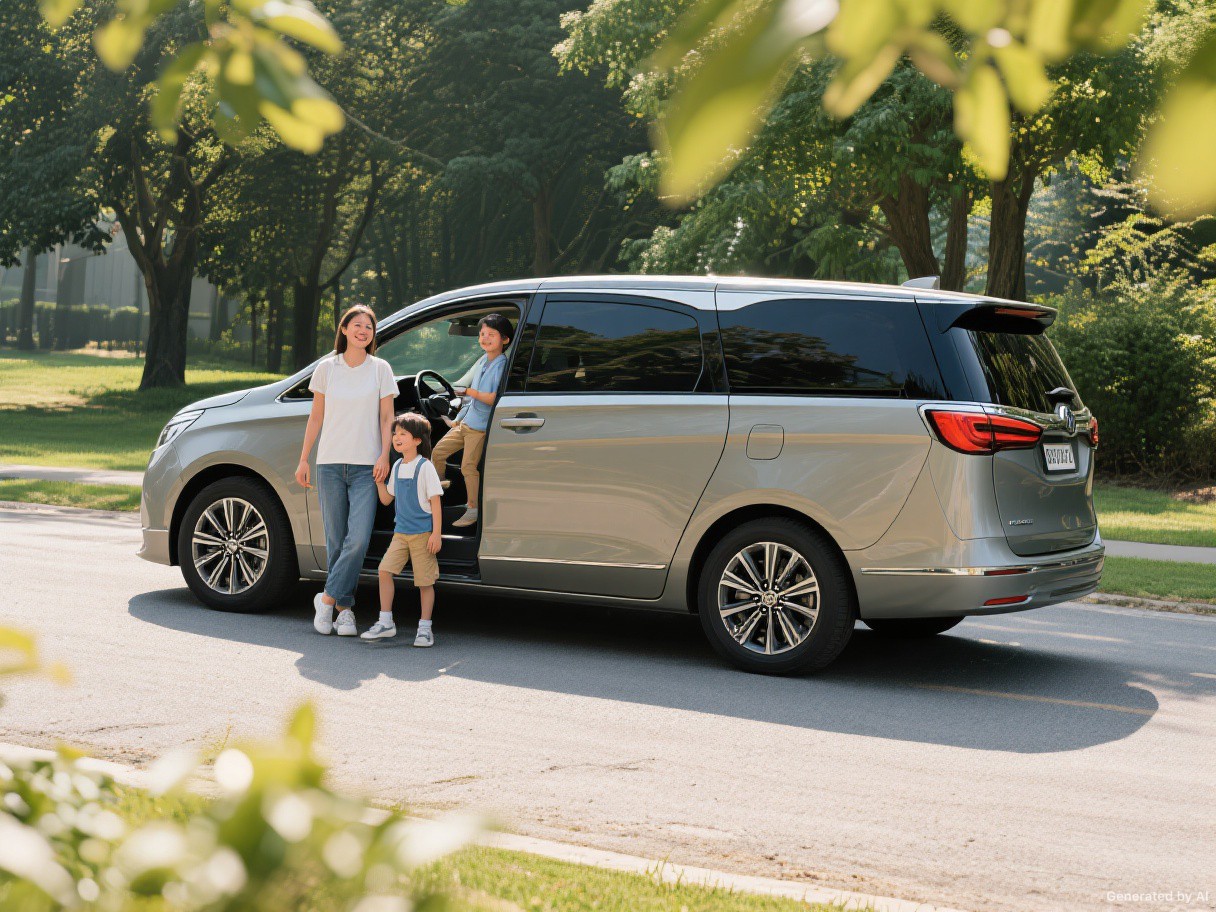
Minivans represent the ultimate expression of family-focused automotive engineering, prioritizing interior space, accessibility, and versatility above styling or performance considerations. These purpose-built people movers offer unmatched practicality with seating for 7-8 passengers across three rows, total interior volumes reaching 165-175 cubic feet (versus 120-140 in three-row SUVs), and cargo capacities up to 140+ cubic feet with seats folded. The defining characteristic—dual power sliding doors on both sides—provides unparalleled access in tight parking spaces, invaluable when managing multiple children, car seats, groceries, and sports equipment. Low floor heights (typically 15-18 inches versus 20-25 for SUVs) enable easy entry/exit for elderly passengers and young children without requiring climbing steps.
Modern minivans measure 200-205 inches in length, 78-80 inches in width, and stand 68-70 inches tall—similar footprints to mid-size SUVs but with dramatically superior interior space efficiency through tall rooflines and flat load floors. Front-wheel-drive platforms (standard across the segment) maximize interior room by eliminating driveshaft tunnels and rear differentials. Powertrains emphasize smoothness and efficiency: V6 engines ranging from 3.5L to 3.6L displacement produce 280-300 horsepower and 260-270 lb-ft torque, paired with modern 8-10 speed automatic transmissions delivering 19-22 MPG city and 26-28 MPG highway. Hybrid variants (Chrysler Pacifica Hybrid) combine 3.6L V6 engines with electric motors for 82 MPGe in electric-only mode and 30 MPG combined when operating as hybrids, offering 32 miles of electric-only range ideal for daily driving.
Despite declining market share as three-row SUVs gained popularity, minivans remain unsurpassed for family transportation efficiency. Current offerings include Honda Odyssey, Chrysler Pacifica, Toyota Sienna (hybrid-only), and Kia Carnival (marketed as "MPV" avoiding minivan stigma). These vehicles incorporate sophistication rivaling luxury sedans: premium leather seating with heating/cooling, panoramic sunroofs, power-folding third rows, built-in vacuum systems (Honda), premium audio (20+ speakers), wireless device charging, and advanced driver assistance including adaptive cruise, blind spot monitoring, and rear cross traffic alert. Pricing ranges $35,000-$55,000, positioning minivans competitively with three-row SUVs while offering superior interior versatility and fuel efficiency.
The minivan segment faces unfair social stigma associating them with uncool suburban parents, yet owners recognize their unmatched practicality. No SUV matches minivan accessibility, cargo flexibility, or passenger comfort. Families transitioning from SUVs to minivans consistently report wondering why they waited, appreciating features like power sliding doors (operating via key fob, dashboard buttons, or foot-activated sensors), second-row seats that slide 6-8 inches optimizing legroom or third-row access, removable seats enabling 4x8 plywood transport, and ride quality rivaling luxury sedans. For families prioritizing functionality over image, minivans represent the logical, practical choice maximizing utility per dollar while delivering excellent safety ratings, reliability, and long-term value retention.
Sliding Doors & Access: Power sliding doors represent minivans' signature feature, operating via multiple methods: key fob buttons (opening/closing from 15+ feet away), interior buttons, exterior door handles, and hands-free kick sensors detecting foot motion beneath doors. Opening widths exceed 25 inches—substantially wider than SUV swing doors—enabling easy car seat installation/removal, child entry/exit assistance, and grocery loading without door swing concerns in tight parking spaces. Doors include safety sensors stopping closure if obstructed, protecting fingers and preventing damage. Some models feature one-touch open/close sequencing opening doors and lowering windows simultaneously for maximum ventilation. Power liftgates provide similar convenience for cargo area access, with hands-free operation and programmable height settings preventing garage contact. The convenience of sliding doors becomes apparent within weeks of ownership, especially in crowded parking lots where adjacent vehicles park inches away.
Seating Flexibility & Configurations: Minivan seating prioritizes adaptability. Second-row configurations include bench seating (accommodating three passengers, ideal for three-child families) or captain's chairs (individual seats with armrests providing luxury and aisle access to third row). Captain's chairs slide fore/aft 6-8 inches, recline significantly, and some feature ottomans for ultimate comfort. Third-row seats in modern minivans accommodate adults comfortably with adequate legroom (35+ inches), unlike cramped SUV third rows suited only for children. Power-folding third rows (standard on most models) disappear into floor wells via button presses, creating vast cargo areas. Second-row seats in some models (Honda Odyssey) remove entirely, enabling 4x8 sheet material transport—total cargo capacity exceeds 140 cubic feet. Multiple seating modes include: 8-passenger (bench second row), 7-passenger (captain's chairs), 5-passenger (third row folded), 4-passenger (second row pushed back, third row folded for maximum legroom), and 2-passenger cargo hauler (all rear seats folded/removed).
Family Technology & Entertainment: Rear-seat entertainment systems transform long drives into peaceful experiences. Dual 10-12 inch screens mount to front seat backs, displaying separate content—one child watches movies while another plays video games. HDMI inputs connect gaming consoles, streaming devices, or tablets. Wireless headphones prevent front-seat disturbance. Some systems (Chrysler Uconnect Theater) feature built-in apps, games, and streaming services. Cabin intercom/PA systems (CabinTalk, Driver Easy Speak) broadcast driver voices to rear seats through speakers, eliminating shoutin over road noise or entertainment system volume. Cameras monitoring rear seats display on dashboard screens, enabling parents to check sleeping babies or rowdy children without turning around. USB charging ports (8+ throughout cabin) keep devices powered. Wireless charging pads, 110V household outlets (up to 150W), and available WiFi hotspots enable connectivity. Built-in vacuum systems (Honda HondaVac) with long hoses reach all interior areas, cleaning inevitable family messes immediately.
Storage & Organization: Minivans feature ingenious storage solutions throughout cabins. Center consoles between front seats include deep bins, cup holders, and charging ports. Second-row storage includes door pockets, seat-back pockets, cup holders, and underseat storage bins. Third-row areas feature cup holders and small storage compartments. Overhead storage bins (some models) provide secure storage for valuables or small items. Cargo areas include underfloor storage compartments hiding valuables, tools, or emergency equipment. Grocery bag hooks prevent items from sliding during driving. Configurable tie-downs and cargo nets secure loose items. Some minivans offer innovative features like cooled compartments in center consoles (storing drinks or snacks at 41°F), integrated sunshade storage, and multi-level cargo floors optimizing space utilization. The abundance of thoughtfully placed storage keeps family chaos organized and accessible.
Safety & Driver Assistance: Modern minivans achieve top safety ratings (IIHS Top Safety Pick, NHTSA 5-star) through comprehensive engineering. Extensive airbag systems (8-10 airbags) protect all seating positions. Reinforced structures with crumple zones manage crash forces. Advanced driver assistance systems include: adaptive cruise control maintaining set following distances, lane keeping assistance preventing drift, blind spot monitoring with rear cross traffic alert, automatic emergency braking detecting pedestrians and vehicles, and surround-view camera systems providing 360-degree views simplifying parking and tight maneuvering. Some models feature rear door alerts reminding drivers to check rear seats (preventing tragic hot car deaths), rear occupant alert detecting movement in rear seats after parking, and Safe Exit Assist preventing rear doors from opening when vehicles approach from behind. Minivans' low centers of gravity and front-wheel drive reduce rollover risk compared to tall SUVs.
Value-Oriented Base Models: Entry-level minivans ($35,000-$40,000) focus on core functionality: seating for 7-8, dual power sliding doors (sometimes only power on one side in base trims), power liftgate, V6 engine with adequate performance, and modern safety features including automatic emergency braking and blind spot monitoring. Interiors feature durable cloth upholstery, manual seat adjustments, and basic infotainment (7-8 inch touchscreens with Apple CarPlay/Android Auto). Single-zone climate control, steel wheels with covers, and halogen lighting keep costs down. These variants suit budget-conscious families prioritizing transportation over luxury, offering excellent value with all essential minivan features. Reliability and low operating costs make them smart long-term investments. Used examples provide even better value—3-5 year old minivans with under 50,000 miles sell for $20,000-$28,000, delivering years of service.
Mid-Level Mainstream Models: Popular volume trims ($42,000-$48,000) balance features with affordability. Enhancements include power sliding doors on both sides with hands-free operation, upgraded cloth or leatherette seating (available heated front seats), tri-zone automatic climate control (front, second row, third row independent control), larger infotainment screens (10-12 inches), rear-seat entertainment prep or available systems, alloy wheels, LED lighting, power-adjustable driver seats (8-10 way), and enhanced driver assistance (adaptive cruise, parking sensors). These trims satisfy most families' needs without premium prices. Available packages add features like captain's chairs, navigation, premium audio (10-12 speakers), and convenience items. This segment represents the sweet spot maximizing features per dollar, making them most popular choices among practical families.
Luxury/Premium Variants: Top-tier minivans ($50,000-$55,000) incorporate luxury features rivaling premium SUVs. Premium Nappa leather seating with heating, cooling, and massage functions transform second-row captain's chairs into first-class airline seats. Panoramic sunroofs extend over first and second rows, flooding cabins with natural light. Premium audio systems (20+ speakers, subwoofers, amplified outputs) deliver concert-quality sound. Advanced infotainment includes large touchscreens (12+ inches), integrated navigation with real-time traffic, wireless device integration, and multiple USB-C ports. Unique features include ambient interior lighting (customizable colors), hands-free power liftgate operation, memory settings for driver seats/mirrors, wireless charging pads, 110V power outlets, and premium materials throughout (wood-tone trim, soft-touch surfaces). Chrysler Pacifica Pinnacle, Honda Odyssey Elite, and Kia Carnival SX Prestige exemplify this segment, offering luxury without SUV pretense.
Hybrid & Electrified Minivans: Chrysler Pacifica Hybrid (discontinued 2023 but available used) and Toyota Sienna (hybrid-only since 2021) demonstrate minivan electrification. Pacifica Hybrid combined 3.6L V6 with 16 kWh battery pack providing 32 miles of electric-only range and 82 MPGe, ideal for commuting electrically while retaining gasoline for long trips. Total range exceeded 500 miles with 30 MPG combined when operating as hybrid. Toyota Sienna uses 2.5L 4-cylinder with electric motors producing 245 hp combined, achieving 36 MPG combined—substantially better than V6 competitors' 22-24 MPG. Electronic AWD (available on Sienna) powers rear wheels via electric motor, providing traction without traditional AWD fuel penalties. Operating costs decrease significantly: hybrid minivans save $500-$800 annually on fuel versus conventional models (based on 15,000 miles, $3.50/gallon). Battery warranties (8-10 years) provide peace of mind. Hybrids suit environmentally conscious families and those with long daily commutes maximizing fuel savings.
All-Wheel Drive Options: AWD availability remains limited in minivans (Toyota Sienna only among current U.S. models), though it provides valuable capability in snow-belt regions. Sienna's electronic AWD uses rear-mounted electric motor independently powering rear wheels, improving traction on slippery surfaces without fuel economy penalties of mechanical AWD. Previous generation Honda Odyssey and Chrysler Pacifica offered AWD options (discontinued). For families in northern climates requiring winter capability, Sienna represents the only AWD choice, combining hybrid efficiency with all-season traction. Good winter tires on FWD minivans provide adequate snow traction for most situations, making AWD optional rather than essential for many buyers. The choice depends on local climate severity and individual comfort levels driving in winter conditions.
Daily Family Logistics: Minivans excel at the relentless logistics of family life: school drop-offs/pick-ups, extracurricular activities (sports, music lessons, scouts), grocery runs, and pediatrician appointments. Power sliding doors enable safe child exit in busy school parking lots without worrying about doors swinging into adjacent vehicles. Car seat installation becomes straightforward with wide door openings and ample interior space—three car seats fit across second-row benches, while captain's chair configurations allow easy access to rear-facing infant seats. The low floor height means elderly grandparents and small children enter/exit without struggling with high SUV climb heights. Abundant storage includes cup holders for everyone (12+ throughout cabin), door pockets for tablets/books, and center console storage for family necessities. The versatility shines hauling soccer gear, musical instruments, school projects, and weekend supplies simultaneously. Parents appreciate ride quality isolating passengers from bumps, quiet cabins enabling conversation, and climate controls keeping all zones comfortable.
Road Trips & Family Travel: Long-distance travel represents minivans' greatest strength. Spacious second-row captain's chairs rival airline first-class comfort with reclining, sliding, and available ottomans enabling relaxed positioning for 8+ hour drives. Third-row passengers enjoy legitimate comfort unavailable in cramped SUV third rows. Rear-seat entertainment systems occupy children, transforming potential backseat battles into peaceful journeys. Adults appreciate quiet cabins (extensive sound insulation blocks wind/road noise), comfortable seating (all-day support without fatigue), and smooth rides (tuned for comfort over sporty handling). Cargo capacity swallows family luggage—seven passengers' bags fit behind third row with room remaining. Fuel efficiency (28+ MPG highway) reduces fuel stops and costs. Rest stop convenience improves via sliding doors enabling simultaneous passenger exit on both sides. Overnight road trips become adventures rather than ordeals, with minivans providing mobile living rooms connecting destinations comfortably.
Cargo Hauling & Versatility: Beyond passenger duty, minivans serve as capable cargo haulers. Power-folding third rows create 88 cubic feet behind second row—accommodating furniture, appliances, or moving boxes. Removing second-row seats (10-minute process) expands capacity to 140+ cubic feet, enabling 4x8 sheet goods transport (plywood, drywall) that pickup trucks typically handle. This versatility eliminates vehicle rental needs for home improvement projects, saving $75-$150 per rental. Families transport Christmas trees, college dorm room furniture, and IKEA hauls effortlessly. The flat load floor (no wheel well intrusion like SUVs) simplifies loading and maximizes usable space. For families downsizing from trucks or those avoiding truck ownership, minivans provide surprising cargo capability when needed while offering superior passenger comfort for daily use. This dual-purpose functionality maximizes value—one vehicle handles people moving and cargo hauling without compromises.
Pet Transportation & Multi-Generational Use: Minivans accommodate family dogs comfortably with third-row folded creating expansive, climate-controlled pet areas. Low floor heights enable elderly dogs to enter without jumping (preventing injury). Integrated cargo protectors and washable surfaces manage pet hair and accidents. Families with babies and toddlers appreciate easy car seat access, while those with teenagers value third-row seating providing separation from sibling conflicts. Multi-generational families use minivans transporting elderly parents requiring easy access and comfortable seating—low step-in heights and grab handles assist mobility-challenged passengers. The versatility serves families through life stages: newborn phase (rear-facing car seats), elementary years (carpools, sports teams), teenage years (driving lessons, friend transport), and empty-nester phase (grandparent duties, downsized cargo hauling). This longevity justifies purchase costs through decade-plus ownership.
Ownership Economics & Practical Reality: Minivan ownership delivers excellent value through multiple factors. Purchase prices ($35,000-$55,000) match or undercut similarly equipped three-row SUVs while offering superior interior space. Fuel economy (22-28 MPG combined, up to 36 MPG in hybrids) reduces operating costs $300-$600 annually versus body-on-frame SUVs (15-20 MPG). Lower insurance premiums versus SUVs (minivans demonstrate lower accident rates and less severe outcomes) save $200-$400 yearly. Maintenance costs remain reasonable—no complex AWD systems, proven FWD platforms, and reliable V6 or hybrid powertrains requiring standard service intervals. Excellent reliability ratings (Honda, Toyota particularly) minimize repair costs. Resale values improved recently as used minivan demand increased (new vehicle prices rose). Despite social stigma, pragmatic families recognize minivans' superiority for family transportation. The "soccer mom" stereotype fades when experiencing daily convenience, road trip comfort, and cargo versatility. For families prioritizing function over image, minivans remain unmatched, delivering more usable space, better fuel economy, and greater value than any SUV alternative.
Honda Odyssey: Award-winning design, innovative features like CabinWatch and CabinTalk, powerful V6, excellent safety ratings.
Toyota Sienna: Standard hybrid powertrain on all models, 36 MPG combined, available AWD, spacious and comfortable.
Chrysler Pacifica: Upscale interior, available plug-in hybrid, Stow 'n Go seating, advanced technology features.
Kia Carnival: SUV-inspired styling, competitive pricing, generous warranty, well-equipped at all trim levels.