A used car can look clean and still hide expensive problems. This checklist helps you move from seller promises to real evidence before money changes hands.
Start here
What this checklist is meant to do
It is not a substitute for a professional inspection on a risky or high-value car. It is the first pass that helps you decide whether the vehicle deserves deeper time, a scan tool, and an independent mechanic.
Look for deal-breakers earlyTyres, service history, cold-start behaviour, and crash-repair clues can eliminate a car before a long test drive.
Keep the inspection orderedWork from paperwork to exterior, then cabin, engine bay, cold start, and road test so nothing important gets skipped.
Know when to walk awayIf several medium-risk signs stack up together, the cheapest answer is often leaving and checking the next car.
Quick answer
The most useful inspection rule
If the seller cannot support the car with believable service history, a calm cold start, even tyre wear, and a straight road test, treat the vehicle as higher risk even if the price looks attractive.
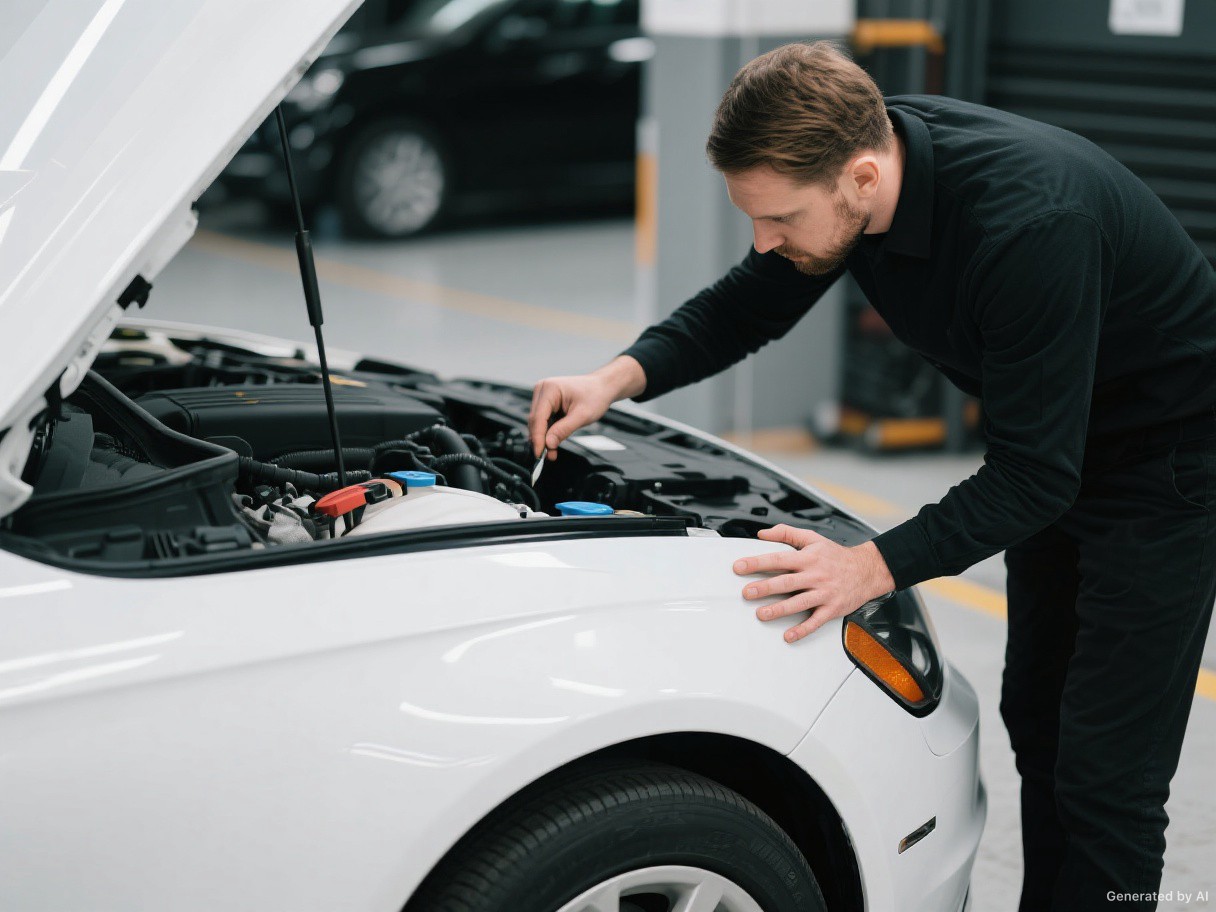
A disciplined inspection starts before the test drive, with bodywork, paperwork, and engine-bay clues checked in a calm order.
1. Before you even see the car
Ask for the registration, VIN, mileage, recent service work, and the exact reason for sale before travelling. A seller who becomes vague about paperwork, timing-belt work, warning lights, or ownership history usually saves you time by showing the car is not ready for a serious buyer.
Confirm the trim, engine, and gearbox are the exact version you expect.
Ask whether the engine is timing-belt or timing-chain driven and when the relevant work was last done.
Check whether two keys, manuals, locking-wheel keys, and service invoices are present.
2. Walk around the body before the seller starts talking
Do the first exterior pass quietly and slowly. Uneven panel gaps, overspray around trims, different shades of paint, fogged lights, and tyres worn more on one side often tell a truer story than the advert headline.
Check each tyre brand, tread depth, and wear pattern. Cheap mismatched tyres often point to deferred maintenance elsewhere.
Look at door edges, wheel arches, lower bumpers, and the roof line for poor accident repair or rust starting points.
Inspect the windscreen and headlights because these are easy costs to underestimate when negotiating.
3. Check the cabin like you will live in it
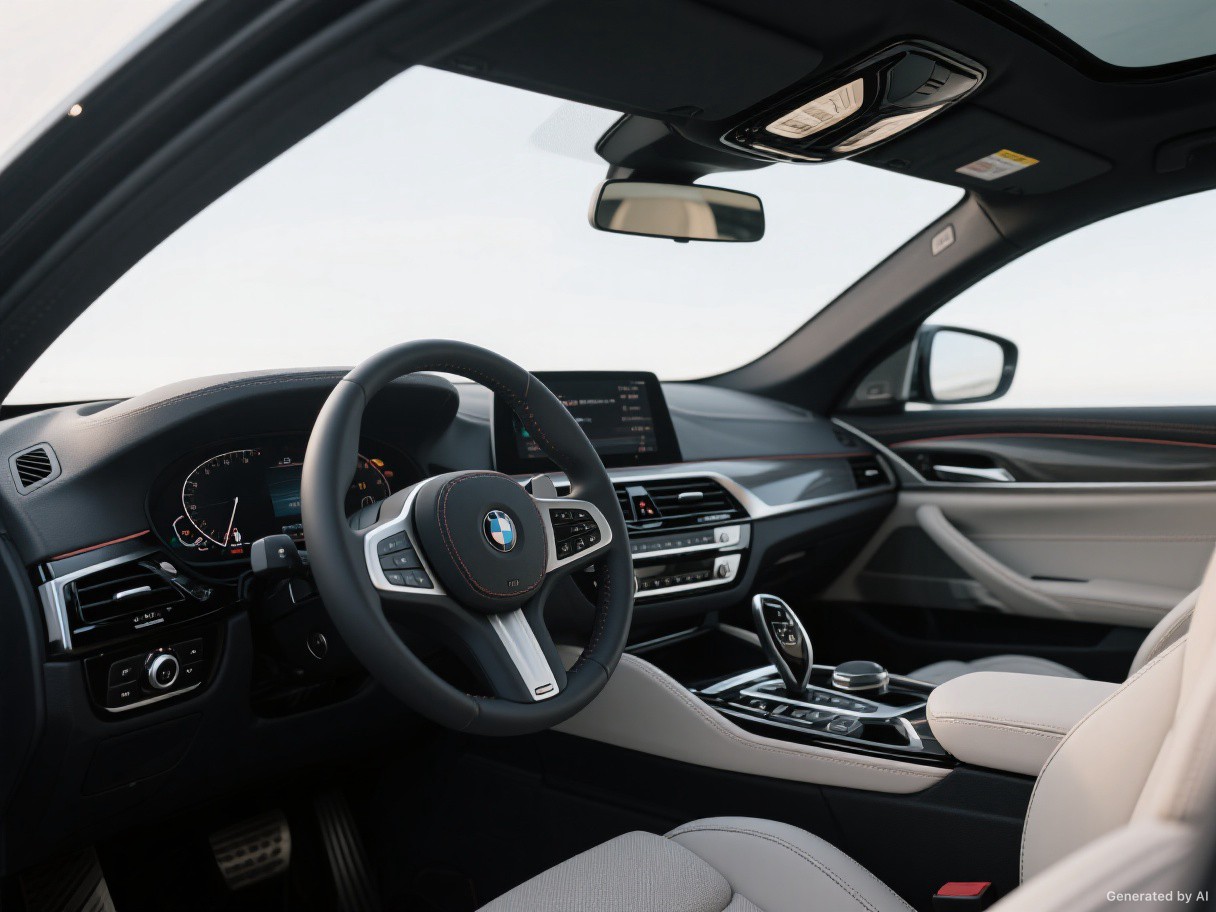
The interior tells you how honestly the car has been used. Wear on the driver seat bolster, steering wheel, pedals, buttons, and infotainment can expose mileage or ownership care faster than a polished dashboard can hide it.
Test every window, lock, mirror, climate-control setting, seat adjustment, and screen function.
Smell for dampness, coolant, or fuel, especially in the boot and footwells.
Check whether warning lights illuminate properly with ignition on and then go out after start-up.
The cabin often exposes the real ownership story faster than polished bodywork, especially when wear and warning lights do not match the seller's claims.
4. Open the bonnet before the engine is hot
A clean engine bay is not automatically a healthy one. Look for the kind of tidiness that hides leaks versus the kind that comes from consistent upkeep. You want evidence of maintenance, not evidence of a quick detail.
Look for oil leaks, coolant staining, split hoses, damaged clips, and makeshift electrical repairs.
Check the oil cap and coolant tank for sludge, contamination, or pressure signs that do not fit a cold engine.
Review service stickers and invoice dates against the seller's story.
5. Insist on a true cold start if possible
Many expensive engine and timing problems are quiet once the car has already been warmed up. A cold start tells you more about idle quality, smoke, chain noise, battery health, and whether the seller is trying to hide a weak start-up routine.
Listen for rattles, chain noise, injector clatter that sounds excessive, or unstable idle.
Watch for smoke that lingers rather than disappearing quickly.
Notice whether the engine settles naturally or needs throttle input to stay alive.
6. Road test with a route that reveals something
A good test drive should include low-speed manoeuvres, an uneven road, a steady cruise, a harder acceleration, and a proper stop. You are not trying to enjoy the car yet. You are trying to stress the systems buyers most regret ignoring.
Feel for clutch bite, automatic hesitation, drivetrain shunt, steering pull, and brake vibration.
Listen for suspension knocks, wheel-bearing noise, and wind noise that suggests prior bodywork issues.
Check whether the engine temperature stays stable and whether the car tracks straight when you ease your grip.
7. Red flags that should slow you down or stop the deal
One issue does not always kill the purchase. A pile of unresolved issues usually should.
Poor or missing service history combined with engine noise, warning lights, or smoke.
Uneven tyre wear plus steering pull or vague braking feel.
Crash-repair clues plus seller pressure, vague answers, or inconsistent mileage story.
A suspiciously warm engine before you arrive and no good reason why.
8. When to pay for an independent inspection
Pay for an independent mechanic when the car is expensive, performance-oriented, unusual, or almost right but still uncertain. A couple of hundred spent there can stop thousands in repair regret later.
Once a used vehicle passes your first inspection, compare similar alternatives in the comparison tool so you do not overpay for the first acceptable example. If the engine story is still unclear, study the engine components guide and the timing belt vs timing chain guide before committing.