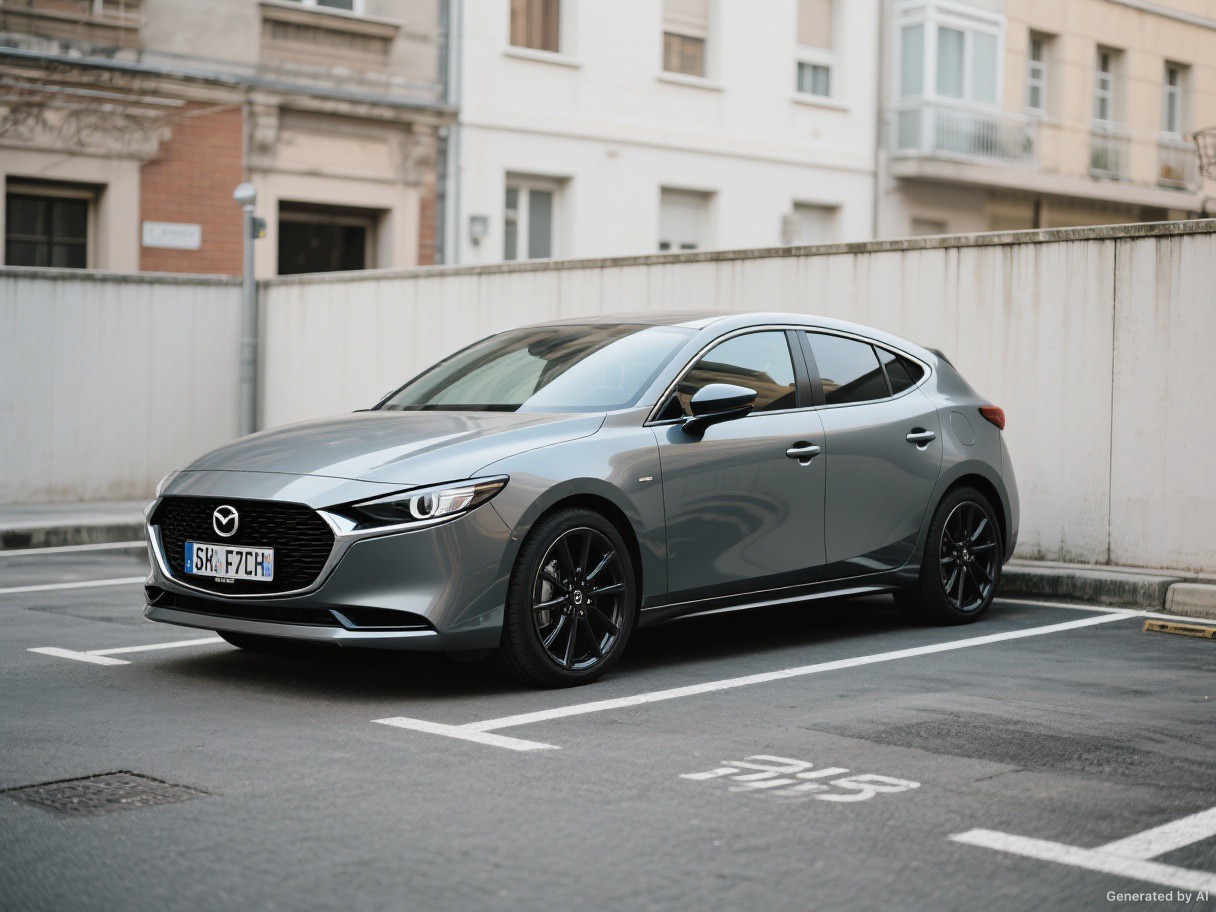
Hatchback cars represent automotive versatility at its finest, combining compact exterior dimensions with surprisingly spacious interiors through ingenious rear-opening cargo doors that eliminate traditional trunks. This fifth-door design\u2014extending from roofline to rear bumper\u2014creates wide-mouth access to cargo areas, enabling easier loading of bulky items impossible in sedans with fixed trunk openings. Modern hatchbacks measure 150-180 inches in length (versus 180-195 for sedans), yet often provide similar or greater cargo capacity through vertical storage space and fold-flat rear seats creating continuous load floors. This space efficiency makes hatchbacks ideal for urban environments where parking spaces are limited but cargo versatility remains essential.
The segment encompasses enormous variety: subcompact hatchbacks (Mazda2, Chevy Spark) measuring under 160 inches deliver exceptional fuel economy (35-40 MPG combined) and city maneuverability with 32-35 foot turning circles; compact hatchbacks (VW Golf, Mazda3, Honda Civic Hatchback) at 165-180 inches balance practicality with refined driving dynamics; and performance "hot hatches" (VW Golf R, Honda Civic Type R, Hyundai Veloster N) deliver 300+ hp with 0-60 mph times under 5 seconds while maintaining five-seat practicality. Pricing ranges from $18,000 for basic subcompacts to $45,000+ for performance variants, offering accessible entry points for younger buyers while satisfying enthusiasts seeking practical performance.
Hatchback popularity varies globally: dominant in Europe (60%+ market share in some countries) where narrow streets and high fuel costs favor compact efficiency, they comprise smaller percentages in North America (15-20%) where buyers traditionally prefer sedans and SUVs. However, American interest has grown as manufacturers offer upscale variants with premium features, advanced driver assistance systems, and refined interiors challenging perceptions of hatchbacks as economy vehicles. The body style appeals particularly to younger demographics, urban professionals, and active individuals valuing versatility over traditional trunk formality. Electric vehicle adoption has boosted hatchback interest\u2014many EVs utilize hatchback configurations (Nissan Leaf, Chevy Bolt EV) maximizing interior space efficiency critical for battery packaging.
The practical advantages extend beyond cargo access: rear seats typically split 60/40 or 40/20/40, enabling simultaneous passenger and cargo transport; folded seats create load floors reaching 45-55 cubic feet (versus 12-16 in sedan trunks); and lower lift-over heights (24-28 inches versus 30-34 for SUVs) ease loading heavy items. Safety ratings match sedans through structural engineering compensating for large rear openings. Fuel economy averages 28-35 MPG combined for gasoline models, improving to 35-42 MPG for hybrids and 100+ MPGe for electrics. Insurance costs remain moderate, and maintenance parallels sedan counterparts. For buyers prioritizing practicality, efficiency, and urban maneuverability over styling prestige or maximum cargo volume, hatchbacks deliver optimal value combining car-like dynamics with SUV-like versatility in compact packages.
Cargo Door & Access: The signature hatchback feature—a large rear-opening door spanning from roofline to bumper—provides cargo access superior to sedan trunks with their fixed openings 12-15 inches high. Hatchback openings measure 24-32 inches in height and full vehicle width, enabling loading of items impossible in sedan trunks: bicycles, furniture, appliances, and bulky sports equipment. Power liftgates (available on many models) open/close via button presses, key fobs, or kick sensors, operating in 3-5 seconds. Adjustable opening heights prevent garage contact, and slow-close features prevent slamming. Lift-over heights (cargo floor to bumper) measure 24-28 inches—lower than SUVs (30-34 inches), easing heavy item loading. Wide openings and lower heights make hatchbacks particularly accessible for shorter individuals and elderly users struggling with high SUV cargo areas. This design philosophy prioritizes usability over styling, though modern hatchbacks incorporate sloped rear glass and spoilers maintaining attractive profiles.
Seating Flexibility: Hatchback rear seats employ sophisticated folding mechanisms maximizing cargo versatility. Standard 60/40 splits enable folding either side independently—transporting four passengers with small cargo, or three passengers with larger items. Premium 40/20/40 splits add center section folding, enabling long item transport (skis, lumber) while seating four passengers. Fold-flat designs create continuous load floors from tailgate to front seats, eliminating the trunk/cabin barrier constraining sedans. This configuration provides 45-55 cubic feet of cargo space with seats folded (versus 12-16 cubic feet in sedan trunks). Some models feature one-touch folding mechanisms via trunk-mounted levers, eliminating need to access rear doors. Magic Seats (Honda Fit) fold upward theater-style, creating tall cargo areas accommodating plants, artwork, or standing items while maintaining front passenger seating. This versatility transforms hatchbacks into chameleons adapting to varied cargo needs.
Storage Solutions & Organization: Beyond raw cargo volume, hatchbacks incorporate clever storage throughout. Underfloor compartments hide valuables, emergency equipment, and tools beneath cargo floors, maintaining clean upper cargo areas. Multi-level cargo floors adjust heights optimizing space utilization or creating secure storage zones. Tie-down hooks, cargo nets, and optional dividers secure loose items preventing sliding during driving. Side pockets in cargo areas store smaller items accessibly. Some models include hidden storage in rear bumpers or beneath rear seats. Door pockets, glove boxes, center console bins, and seat-back pockets provide passenger storage. Despite compact exteriors, thoughtful engineering creates storage rivaling larger vehicles. The focus on maximizing every cubic inch reflects hatchback design philosophy: efficiency through intelligent space utilization rather than sheer size.
Urban Maneuverability & Driving Dynamics: Compact dimensions provide tangible urban advantages. Turning circles of 32-38 feet (versus 38-42 for sedans, 40-45 for SUVs) enable tight U-turns and easier parking lot navigation. Shorter wheelbases (100-106 inches) improve agility through traffic. Lower overall heights (56-60 inches) fit underground parking garages rejecting taller SUVs. Weight distributions of 58/42 to 62/38 front/rear (front-heavy due to transverse engines and front-wheel drive) provide predictable handling with mild understeer. MacPherson strut front suspensions and torsion beam or multi-link rear suspensions balance ride comfort with responsive handling. Electric power steering offers light low-speed effort (parking ease) with increased resistance at highway speeds (stability). Hot hatches employ sophisticated multi-link rear suspensions, adaptive dampers, and electronic limited-slip differentials delivering sports car dynamics in practical packages.
Technology & Safety: Modern hatchbacks incorporate comprehensive technology: touchscreen infotainment (7-10 inches) with Apple CarPlay/Android Auto, wireless charging, and premium audio (8-12 speakers in upscale variants). Driver assistance systems include adaptive cruise control, lane keeping assistance, blind spot monitoring, rear cross traffic alert, and automatic emergency braking with pedestrian detection. Parking sensors and backup cameras (surround-view in premium models) simplify tight space maneuvering. Safety ratings approach or match sedans—despite large rear openings, structural engineering maintains crash protection through reinforced pillars, side impact beams, and comprehensive airbag systems (6-10 airbags). Lower centers of gravity compared to SUVs reduce rollover risk. Advanced high-strength steel usage provides rigidity while minimizing weight. These features transform hatchbacks from basic transportation into sophisticated vehicles matching mainstream sedans in technology and safety.
Subcompact Hatchbacks: Ultra-efficient city cars measuring 150-165 inches long, perfect for dense urban environments. Examples include Honda Fit, Chevy Spark, Mazda2, and Toyota Yaris (discontinued U.S.). Engines typically include 1.0L-1.6L 4-cylinders producing 98-130 hp—adequate for city driving though modest for highway merging. CVT or 5-6 speed manual transmissions optimize efficiency, achieving 33-40 MPG combined. Despite tiny footprints, clever packaging provides seating for four adults and 15-23 cubic feet cargo space (45-50 with seats folded). Pricing starts $16,000-$22,000 new, with excellent used values ($8,000-$15,000 for 3-5 year examples). Perfect for budget-conscious buyers, students, and urban commuters prioritizing parking ease and fuel economy. Insurance costs remain minimal, and maintenance is straightforward with simple mechanicals. The Honda Fit exemplifies this category with legendary space efficiency and Magic Seats enabling furniture transport impossible in larger vehicles.
Compact Hatchbacks: Mainstream volume sellers measuring 165-180 inches, balancing practicality with refinement. Volkswagen Golf, Mazda3 Hatchback, Honda Civic Hatchback, Hyundai Elantra GT, and Subaru Impreza populate this segment. Engines range from 1.5L-2.5L 4-cylinders (147-200 hp) with available turbocharged options delivering spirited performance. Transmissions include 6-speed manuals, CVTs, or 6-8 speed automatics. Fuel economy averages 28-35 MPG combined. Interiors rival compact sedans in quality with available leather, dual-zone climate control, and premium audio. Cargo space reaches 22-26 cubic feet (45-55 folded). Pricing spans $23,000-$30,000. These hatchbacks serve as primary vehicles for singles, couples, and young families, offering car-like dynamics with SUV-like versatility. The Golf sets class benchmarks for build quality and driving refinement, while Mazda3 emphasizes engaging dynamics and attractive styling. Daily usability remains excellent with comfortable rides, quiet cabins, and comprehensive safety features.
Hot Hatchbacks (Performance): Enthusiast favorites delivering sports car performance in practical five-seat packages. Volkswagen Golf GTI (241 hp, $31,000) offers accessible performance with 5.6-second 0-60 mph, Golf R (315 hp AWD, $44,000) provides all-weather capability with 4.5-second acceleration. Honda Civic Type R (306 hp, $43,000) dominates front-wheel-drive performance with 5.0-second 0-60 mph and track-ready handling. Hyundai Veloster N (275 hp, $35,000) delivers value-oriented thrills. These vehicles combine turbocharged 2.0L 4-cylinders with sport suspensions (adaptive dampers, limited-slip differentials), performance brakes (Brembo common), aggressive aerodynamics, and track-focused drive modes. Interiors feature sport seats, flat-bottom steering wheels, and performance displays. Despite 0-60 times rivaling $60,000-$80,000 sports cars, hot hatches maintain practicality: five-seat seating, substantial cargo space, and daily usability. Fuel economy remains reasonable (24-28 MPG combined). Insurance and maintenance costs exceed standard hatchbacks but remain accessible compared to dedicated sports cars. These vehicles suit enthusiasts requiring daily practicality without sacrificing driving excitement.
Premium/Luxury Hatchbacks: Upscale variants emphasizing refinement over value. Audi A3 Sportback, Mercedes A-Class, BMW 1/2-Series (limited U.S. availability) blend premium materials, sophisticated technology, and German engineering in compact packages. Engines include turbocharged 4-cylinders (180-300 hp) with available all-wheel drive. Interiors feature leather upholstery, ambient lighting, digital instrument clusters, and advanced infotainment. Pricing reaches $35,000-$50,000—substantial premiums over mainstream counterparts. These hatchbacks appeal to affluent urban buyers desiring premium badges without SUV bulk or sedan formality. The Audi A3 exemplifies this segment with quattro AWD, virtual cockpit, and build quality approaching A4 sedans. Despite compact dimensions, these vehicles deliver luxury experiences rivaling larger models through superior materials, refined powertrains, and comprehensive technology. Operating costs increase significantly: premium fuel requirements, expensive maintenance, and higher insurance reflect luxury brand positioning.
Electric Hatchbacks: Zero-emission variants combining hatchback practicality with EV benefits. Nissan Leaf (149-212 miles range, $28,000-$36,000) pioneered affordable EV accessibility with proven reliability. Chevrolet Bolt EV (259 miles, $27,000) offers impressive range and spacious interior. Volkswagen ID.4 and ID.3 (Europe) represent VW's EV future. These vehicles deliver instant torque (200-250 lb-ft), silent operation, and low operating costs ($0.03-0.05 per mile electricity versus $0.12-0.15 gasoline). Regenerative braking extends range and reduces brake wear. However, considerations include: charging infrastructure dependency, cold weather range reduction (20-30%), and initial purchase price premiums (though federal/state incentives help). For buyers with home charging, short daily commutes (<80 miles), and occasional long-distance needs, electric hatchbacks provide ideal transportation combining practicality with environmental benefits and dramatically reduced fuel costs ($600-900 annual savings versus gasoline).
Urban Living & City Commuting: Hatchbacks thrive in urban environments where compact dimensions provide tangible advantages. Parallel parking becomes manageable—shorter lengths fit spaces rejecting sedans, while backup cameras and parking sensors simplify tight maneuvering. Narrow city streets accommodate hatchback widths (68-72 inches) comfortably. Underground parking garages with height restrictions (often 80 inches) accept hatchbacks (56-60 inches tall) while excluding taller SUVs. Fuel economy of 30-38 MPG combined reduces commuting costs in expensive urban markets. Stop-and-go traffic benefits from responsive handling and easy clutch operation (manuals) or smooth CVT/automatic transitions. Quick acceleration from traffic lights—even modest 130 hp feels adequate with 2,800-3,100 lb curb weights. Apartment dwellers appreciate single parking space requirements and easy garage fit. Young urban professionals value hatchback practicality for grocery runs, IKEA trips, and weekend getaways, all while projecting modern, efficient images aligned with urban sustainability values.
Active Lifestyle & Recreation: Despite compact exteriors, hatchbacks accommodate active lifestyles surprisingly well. Cyclists transport bikes inside with front wheels removed and rear seats folded—protecting expensive bicycles from weather and theft. Skiers/snowboarders fit equipment with center seats folded, transporting friends simultaneously. Camping gear, kayaks (on roof racks), and hiking equipment load easily through wide rear openings. Weekend warriors appreciate versatility: Friday evening mountain bike shuttle, Saturday farmer's market haul, Sunday IKEA run—one vehicle handles all. Roof racks expand capability, though fuel economy suffers (3-5 MPG reduction). The Honda Fit's 52-inch interior length (seats folded) enables 6-foot items transport. Hot hatches particularly suit driving enthusiasts: canyon carving on winding roads, autocross/track day participation, and spirited backroad drives deliver engagement rivaling dedicated sports cars while maintaining weekday practicality.
Student & Budget-Conscious Life: Hatchbacks excel as student vehicles and first cars. Affordable purchase prices ($18,000-$25,000 new, $8,000-$18,000 used for 2-5 year examples) fit tight budgets. Fuel efficiency reduces operating costs—critical for students with limited incomes. Insurance remains affordable, especially liability-only coverage on older models. College life demands—dorm move-ins, furniture transport, grocery runs, road trips—suit hatchback versatility perfectly. Maintenance simplicity and widespread parts availability keep repair costs manageable. Reliability of Japanese models (Honda, Mazda, Toyota) minimizes breakdown risks important when living away from home. As first cars, hatchbacks teach driving skills in forgiving packages: easy parking, good visibility, manageable power, and predictable handling build confidence. Post-graduation, hatchbacks remain relevant through early career years, adapting to apartment moves, job changes, and evolving lifestyles.
Downsizing & Minimalist Living: Hatchbacks suit individuals embracing minimalist philosophies and simplified living. Smaller vehicles align with reducing consumption, environmental consciousness, and focusing on experiences over possessions. For empty nesters downsizing from SUVs or sedans, hatchbacks provide adequate space without excessive bulk. Retirees appreciate easy entry/exit, manageable dimensions, and fuel efficiency for fixed incomes. Urban minimalists value single-vehicle households where hatchbacks handle 90% of needs while ride-sharing/rentals address edge cases (moving, large purchases). The psychological freedom of simpler vehicle ownership—lower costs, easier maintenance, reduced stress—appeals to those prioritizing life experiences over material complexity. Hatchbacks embody sufficiency: providing necessary transportation and cargo capability without excess.
Practical Considerations & Ownership Reality: Hatchback ownership involves trade-offs. Cargo security concerns arise—visible belongings through glass hatchbacks attract theft more than enclosed sedan trunks. Cargo covers (retractable screens) help but add complexity. Rear visibility sometimes suffers from thick rear pillars, though backup cameras compensate. Road noise can intrude more than sedans due to cargo area proximity to passenger cabin, though sound insulation improvements narrow this gap. Crash protection concerns are unfounded—modern hatchbacks achieve excellent safety ratings through structural engineering. Resale values vary by model: Honda and Mazda hold values well, while others depreciate faster. Despite considerations, owners report high satisfaction: the versatility, efficiency, and engagement justify any compromises. For urban dwellers, young professionals, active individuals, and anyone valuing practicality over prestige, hatchbacks deliver transportation solutions perfectly matched to modern lifestyles emphasizing efficiency, versatility, and enjoyment over traditional automotive conventions.
Honda Fit, Toyota Yaris, Mazda2: Exceptional fuel economy (36-40 MPG), versatile interiors, and affordable pricing perfect for city driving.
Volkswagen Golf, Mazda3 Hatchback, Honda Civic Hatchback: Well-rounded performers with quality interiors, engaging driving dynamics, and practical cargo space.
Volkswagen Golf GTI/R, Honda Civic Type R, Hyundai Veloster N: Thrilling performance (250-300+ hp), track-ready handling, and everyday usability.
Nissan Leaf, Chevrolet Bolt EV, Volkswagen ID.3: Zero emissions, instant torque, and modern technology with practical hatchback versatility.