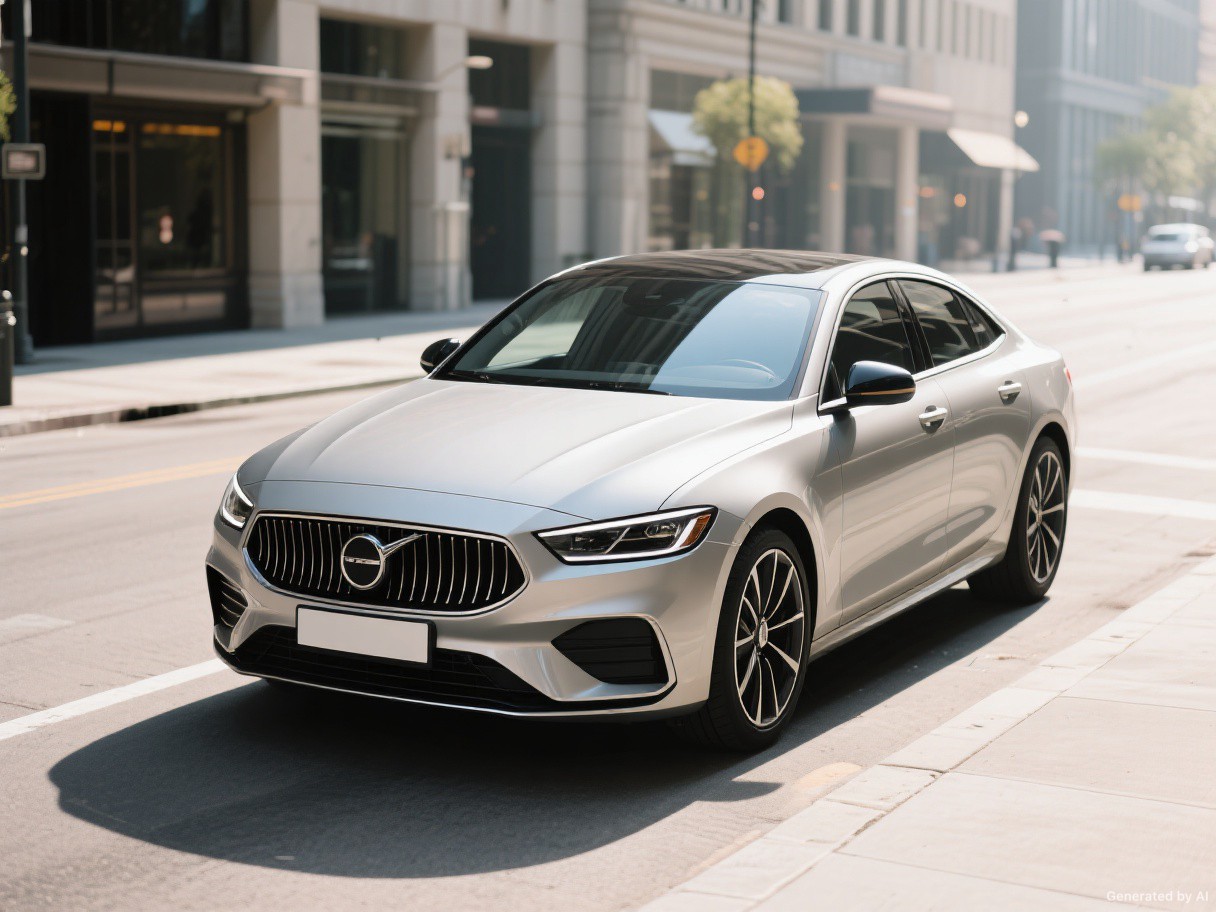
Sedans

Overview

Sedans represent the quintessential family vehicle, combining practicality, comfort, and efficiency in a traditional four-door configuration with a separate trunk compartment. Distinguished by their three-box design—separate engine compartment, passenger cabin, and cargo area—sedans offer excellent structural rigidity, quiet cabins isolated from road noise, and versatile passenger accommodation. Available in compact (160-180 inches long), mid-size (190-200 inches), and full-size (200+ inches) variants, sedans serve diverse needs from efficient urban commuters to luxurious executive transports. Modern sedans feature sophisticated platforms delivering car-like handling dynamics superior to taller SUVs, with lower centers of gravity enhancing cornering stability and responsive steering. Fuel economy advantages remain significant—compact sedans achieve 30-40 MPG combined, mid-size models deliver 25-35 MPG, while full-size sedans manage 20-28 MPG, all surpassing comparable SUVs by 3-8 MPG.

The sedan format prioritizes passenger comfort through spacious cabins accommodating five adults with genuine rear-seat legroom (35-40 inches in mid-size/full-size models versus 30-35 inches in compact sedans). Three-across rear seating remains feasible for short trips, aided by flat rear floors maximizing comfort. Trunk capacities range 12-16 cubic feet (compact), 15-18 cubic feet (mid-size), and 16-20+ cubic feet (full-size), providing secure, climate-controlled cargo space protected from weather and theft. Sedan trunks easily accommodate golf clubs, luggage for family vacations, or weekly grocery runs, with many models featuring 60/40 split-folding rear seats extending cargo capacity for longer items. The separate trunk design offers security advantages—contents remain hidden from casual observation—and maintains cabin temperature by isolating cargo from passenger space.

Safety credentials distinguish modern sedans, with most models achieving Top Safety Pick+ ratings from IIHS and 5-star NHTSA crash test scores. Lower ride heights compared to SUVs reduce rollover risks, while advanced high-strength steel construction (up to 60-70% of body structure) and strategic crumple zones optimize crash energy management. Comprehensive airbag systems (front, side, curtain, sometimes knee airbags) protect occupants in multiple collision scenarios. Standard or available driver assistance technologies include automatic emergency braking with pedestrian detection, blind spot monitoring, rear cross traffic alert, lane keeping assist, and adaptive cruise control. Premium sedans add features like night vision systems, surround-view cameras, and semi-autonomous driving capabilities. The sedan's aerodynamic profile contributes to stability at highway speeds, reducing crosswind sensitivity compared to taller vehicles.

Technology integration reaches remarkable levels in contemporary sedans, from affordable compacts to luxury flagships. Infotainment systems feature 7-12 inch touchscreens with Apple CarPlay/Android Auto (often wireless), voice recognition, and navigation. Digital instrument clusters replace traditional gauges, providing customizable displays showing trip information, navigation directions, and performance data. Premium audio systems from manufacturers like Bose, Harman Kardon, or Bang & Olufsen deliver concert-hall acoustics through 10-20+ speakers. Climate control systems maintain precise temperature regulation with dual-zone (compact), tri-zone (mid-size), or quad-zone (luxury) controls. Heated and ventilated seats, heated steering wheels, and ambient lighting enhance comfort. The sedan's traditional design allows generous glass areas providing excellent outward visibility compared to SUVs with thick pillars and higher beltlines, reducing blind spots and enhancing safety.

Distinctive Features

Engine & Drivetrain Options: Sedans offer diverse powertrain choices matching varied priorities. Base engines typically include 4-cylinder options (1.5L-2.5L, 140-190 hp) emphasizing fuel economy, achieving 30-38 MPG combined with smooth CVT or 8-10 speed automatic transmissions. Optional turbocharged 4-cylinders (2.0L-2.5L, 240-300 hp) provide spirited performance (0-60 mph in 5.5-7 seconds) while maintaining reasonable efficiency (25-32 MPG). Mid-size and full-size sedans offer V6 engines (3.0L-3.6L, 280-335 hp) delivering refined power with 0-60 mph times of 5.5-6.5 seconds. Premium sedans feature turbocharged 6-cylinder or V8 options producing 350-500+ hp, achieving sub-5 second 0-60 mph acceleration. Hybrid sedans combine gasoline engines with electric motors, delivering exceptional efficiency (45-55 MPG) with adequate performance (0-60 mph in 7-9 seconds). Front-wheel drive remains standard on mainstream sedans optimizing interior space and efficiency, while rear-wheel and all-wheel drive appear on premium models emphasizing handling dynamics or all-weather capability.

Interior Design & Comfort: Sedan cabins emphasize refinement through sound insulation, premium materials, and thoughtful ergonomics. Active noise cancellation systems in premium models use microphones detecting ambient noise and speakers generating opposing sound waves, creating library-quiet environments even at 70 mph. Dashboard designs prioritize user-friendly layouts with controls logically arranged and easily reached. Seating options include cloth (base models), leather or leatherette (mid-level), and premium Nappa leather with contrast stitching (luxury variants). Front seats feature 6-10 way power adjustment, memory settings (driver and passenger), heating, ventilation, and massage functions on upscale trims. Rear seats provide genuine adult accommodation with reclining backrests, folding center armrests with cupholders, and rear climate vents. Panoramic sunroofs (available on many models) enhance cabin ambiance with additional light while maintaining structural rigidity through reinforced roof panels.

Handling & Ride Quality: Sedans deliver balanced dynamics through sophisticated suspension systems. MacPherson strut front suspensions (compact/mid-size sedans) or multilink arrangements (premium models) provide responsive steering and controlled body motions. Independent rear suspensions (multilink or multi-arm designs) maintain tire contact during cornering and over irregular surfaces. Adaptive or semi-adaptive dampers (available on many models) adjust firmness based on driving conditions—softer settings for smooth highway cruising, firmer responses during aggressive cornering. Electric power steering systems offer variable assistance, providing light effort for parking while adding weight and feedback at highway speeds. The sedan's lower center of gravity compared to SUVs reduces body roll during cornering, enhancing confidence through winding roads. Sport-tuned suspension packages available on many sedans further sharpen handling with stiffer spring rates, larger stabilizer bars, and performance-oriented damper tuning.

Safety Technologies: Modern sedans incorporate comprehensive active safety systems preventing or mitigating collisions. Forward collision warning with automatic emergency braking uses radar and camera systems detecting vehicles, pedestrians, or cyclists, applying maximum braking force if driver fails to respond. Lane departure warning and lane keeping assist use cameras reading road markings, providing steering corrections maintaining lane position. Blind spot monitoring systems use radar sensors detecting vehicles in adjacent lanes, illuminating warning indicators in side mirrors and providing steering resistance if turn signals activate with vehicles present. Adaptive cruise control maintains set following distances, adjusting speed automatically in traffic and bringing vehicles to complete stops in congested conditions (with some systems requiring driver input to resume). Rear cross traffic alert warns of approaching vehicles when reversing from parking spaces. Premium sedans add advanced features like night vision systems highlighting pedestrians/animals in darkness, heads-up displays projecting speed and navigation information onto windshields, and 360-degree camera systems providing bird's-eye vehicle views during parking.

Efficiency & Environmental Impact: Sedans lead fuel economy among traditional vehicle types through aerodynamic profiles and optimized powertrains. Drag coefficients of 0.26-0.30 (compared to 0.32-0.38 for SUVs) reduce wind resistance, directly improving highway efficiency. Engine technologies including direct fuel injection, variable valve timing, cylinder deactivation (V6/V8 engines), and turbocharging extract maximum energy from fuel. Hybrid sedans like Toyota Camry Hybrid, Honda Accord Hybrid, and Hyundai Sonata Hybrid achieve 45-55 MPG combined, reducing fuel costs $500-800 annually versus non-hybrid equivalents. Plug-in hybrid sedans (Hyundai Ioniq PHEV, Honda Clarity) offer 20-30 miles electric-only range for daily commuting while maintaining gasoline backup for longer trips. Lower curb weights compared to SUVs (compact sedans 2,800-3,200 lbs, mid-size 3,200-3,700 lbs, full-size 3,700-4,300 lbs versus SUVs adding 300-800 lbs) require less energy for acceleration. Start-stop systems automatically shut off engines at traffic lights, saving fuel during urban driving. Eco driving modes optimize throttle response and transmission shift points maximizing economy.

Sedan Categories

Compact Sedans: Entry-level sedans balancing affordability, efficiency, and practicality. Models like Honda Civic, Toyota Corolla, Mazda3, and Hyundai Elantra measure 175-185 inches long with wheelbases of 105-108 inches. Pricing starts $22,000-$27,000 with well-equipped models reaching $30,000-32,000. Engines typically include naturally aspirated 4-cylinders (2.0L-2.5L, 147-190 hp) achieving 30-38 MPG combined, with optional turbocharged variants (1.5L-2.0L, 174-240 hp) providing spirited performance. Rear legroom measures 34-37 inches—adequate for adults but snug for tall passengers. Trunk capacity ranges 12-15 cubic feet accommodating weekend luggage or grocery runs. These sedans excel as urban commuters, first cars for young drivers, or secondary vehicles for couples. Technology features include 7-9 inch touchscreens, safety suites with automatic emergency braking, and smartphone integration. Reliability remains excellent with Honda and Toyota models frequently exceeding 200,000 miles with proper maintenance.

Mid-Size Sedans: America's traditional family car segment balancing spaciousness, comfort, and value. Honda Accord, Toyota Camry, Nissan Altima, and Hyundai Sonata measure 192-196 inches long with 111-112 inch wheelbases. Pricing spans $27,000-$38,000 with loaded models approaching $40,000. Base engines (2.0L-2.5L 4-cylinders, 188-203 hp) deliver 28-34 MPG combined, while optional V6 or turbocharged 4-cylinder variants (250-305 hp) provide executive car performance. Rear legroom expands to 38-40 inches—genuine adult accommodation for cross-country trips. Trunks offer 15-17 cubic feet with standard 60/40 split-folding rear seats extending cargo capacity. These sedans serve as primary family vehicles, offering minivan-like utility without bulk. Hybrid versions (Accord Hybrid, Camry Hybrid) achieve 45-52 MPG combined, ideal for high-mileage commuters. Features include dual-zone climate control, power driver's seats with memory, and comprehensive safety systems. Quality and reliability rival luxury brands at half the cost.

Full-Size Sedans: Spacious, refined vehicles prioritizing comfort and presence. Dodge Charger, Chrysler 300, Toyota Avalon, and Kia Cadenza measure 197-205 inches long with wheelbases of 115-120 inches. Pricing ranges $32,000-$50,000+ depending on engine and trim. Powertrains emphasize smooth, effortless performance: V6 engines (3.6L, 292-305 hp) or available V8s (Charger R/T, 370+ hp) deliver 0-60 mph in 5.5-7.5 seconds. Rear legroom reaches 40-42 inches with wide, supportive seats accommodating three adults comfortably. Trunks provide 16-20 cubic feet. These sedans appeal to empty nesters valuing comfort over utility, chauffeur services requiring passenger luxury, and enthusiasts appreciating traditional American sedans. Features include premium audio systems, advanced driver assistance, and plush interiors rivaling entry-luxury brands. The Avalon Hybrid achieves 43-44 MPG combined—remarkable for vehicles this size.

Entry-Luxury Sedans: Premium vehicles offering luxury brand prestige at accessible prices. BMW 3 Series, Mercedes C-Class, Audi A4, and Genesis G70 provide refined driving experiences starting $42,000-$48,000. Turbocharged 4-cylinder engines (2.0L, 255-300 hp) deliver spirited performance (0-60 mph in 5.5-6.3 seconds) with 24-32 MPG combined. Interiors feature genuine leather, ambient lighting, premium audio, and sophisticated infotainment systems. These sedans emphasize driving dynamics—precise steering, controlled body motions, and engaging power delivery—distinguishing them from mainstream competitors. Standard or available all-wheel drive enhances all-weather capability. Rear legroom (35-37 inches) sacrifices space slightly versus mainstream mid-size sedans, prioritizing performance-oriented dimensions. Ownership costs increase due to premium fuel requirements, higher insurance, and elevated maintenance costs. However, strong residual values and competitive lease rates make entry-luxury sedans attainable for professionals seeking premium experiences.

Luxury Flagships: Ultimate expressions of automotive refinement and technology. Mercedes S-Class, BMW 7 Series, Audi A8, and Lexus LS define luxury with pricing from $95,000-$150,000+ before options. These sedans measure 205-215 inches long with 125-130 inch wheelbases providing limousine-like rear accommodations. Engines range from turbocharged 6-cylinders (335-385 hp) to twin-turbo V8s (500-600+ hp) delivering effortless acceleration regardless of speed. Rear-seat experiences rival first-class airline cabins: reclining seats with massage, individual entertainment screens, refrigerators, and folding tables. Technology showcases include digital instrument clusters, massive central touchscreens, voice recognition understanding natural speech, and semi-autonomous driving. Air suspension systems isolate passengers from road imperfections while adaptive dampers maintain composure during spirited driving. These vehicles serve executives, dignitaries, and affluent buyers valuing ultimate comfort, prestige, and cutting-edge technology. Depreciation remains significant—$100,000 flagships often lose $40,000-50,000 in first three years—creating opportunities for savvy used car buyers accessing luxury at fraction of original costs.

Lifestyle Integration

Daily Commuting & Urban Driving: Sedans excel in daily transportation through maneuverability, efficiency, and comfort. Compact sedans navigate urban environments effortlessly—tight turning circles (34-37 feet curb-to-curb) facilitate U-turns and parking lot navigation, while narrow widths (under 72 inches) ease lane changes and narrow street driving. Parking proves simpler than SUVs due to better visibility, shorter overall lengths, and standard rearview cameras (many adding parking sensors or 360-degree cameras). Fuel economy advantages translate directly to cost savings—compact sedans covering 35 MPG combined save $400-600 annually versus 28 MPG SUVs driving 12,000 miles with $3.50/gallon gas. Highway cruising remains serene through aerodynamic profiles reducing wind noise, sophisticated noise insulation, and refined powertrains operating at low RPMs during 65-75 mph cruising. Adaptive cruise control with stop-and-go capability transforms stressful rush hour commutes into relaxed, hands-off experiences (driver attention still required). Sedans' lower ride heights simplify entry/exit versus climbing into SUVs—particularly appreciated by elderly passengers or those with mobility limitations.

Family Transportation: Mid-size and full-size sedans serve family needs admirably despite SUV popularity. Five-passenger capacity accommodates nuclear families with three children (though three-across rear seating suits younger kids better than teenagers). Child safety seat installation proves straightforward using LATCH anchors and top tethers, with many sedans accommodating two child seats plus center passenger. Trunk space handles stroller, diaper bag, and grocery runs simultaneously, with split-folding rear seats extending capacity for bulky items like bicycles (wheels removed) or vacation luggage. Smooth ride quality maintained by sedan suspensions tuned for comfort keeps young passengers content during long trips. Rear climate vents and available rear seat USB ports address family needs. Safety remains paramount—comprehensive airbag coverage, advanced driver assistance, and strong crash test ratings provide peace of mind. The enclosed trunk design offers advantages over SUV cargo areas: contents remain hidden from would-be thieves, climate-controlled environment protects temperature-sensitive items, and groceries won't shift during spirited driving. Lower operating costs versus SUVs free budgets for family activities, education savings, or vehicle upgrades.

Business & Professional Use: Sedans maintain strong presence in professional environments projecting competence, refinement, and success. Mid-size sedans (Accord, Camry, Altima) remain fleet favorites for sales representatives, consultants, and field professionals requiring reliable, efficient transportation with professional appearance. Comfort during extended driving proves crucial—supportive seats with ample adjustment, dual-zone climate control, and quiet cabins reduce fatigue during territory coverage. Trunk space accommodates samples, equipment, or trade show materials securely. Hybrid variants reduce fuel costs for high-mileage drivers while demonstrating environmental responsibility. Entry-luxury sedans (3 Series, A4, C-Class) elevate professional image for executives, realtors, financial advisors, and entrepreneurs—premium badges signaling success and attention to quality. These vehicles balance performance and efficiency, providing engaging driving experiences during business travel while maintaining reasonable operating costs. Luxury flagships (S-Class, 7 Series, A8) serve corporate executives, chauffeur services, and high-net-worth professionals prioritizing ultimate comfort and status projection. Technology features enable mobile productivity: Wi-Fi hotspots support laptop connectivity, premium audio systems facilitate conference calls, and rear-seat workspaces with folding tables transform vehicles into mobile offices.

Enthusiast Ownership: Performance-oriented sedans satisfy enthusiasts seeking driving engagement with everyday practicality. Sport sedans like Mazda6, Honda Accord Sport, and Volkswagen Jetta GLI offer responsive steering, firm suspension tuning, and eager powertrains (0-60 mph 6-7 seconds) maintaining practical four-door utility and reasonable prices ($28,000-$35,000). Manual transmission availability (increasingly rare but present on select models) maximizes driver involvement. Premium sport sedans—BMW M3/M5, Mercedes-AMG C63/E63, Audi S4/S6, Cadillac CT4-V/CT5-V Blackwing—deliver supercar-competitive performance (0-60 mph 3.5-4.5 seconds, 450-650+ hp) without exotic car compromises. These vehicles accommodate families, handle daily commutes, navigate winter weather (with AWD), yet transform into track weapons during weekend autocross or track days. Sedan racing communities organize competition events—club racing series (BMW CCA, PCA), autocross championships, time attack series—providing venues demonstrating capabilities. Modification communities support sedan enthusiasts with comprehensive aftermarket offerings: suspension upgrades (coilovers, adjustable sway bars), brake enhancements (big brake kits, performance pads/rotors), engine tuning (ECU remaps, turbo upgrades), and aesthetic modifications. Sedan platforms often cost less than equivalent sports cars while offering back-seat utility, making them practical enthusiast choices.

Long-Term Ownership & Value: Sedans excel in total cost of ownership through reliability, efficiency, and moderate depreciation. Mainstream brands (Honda, Toyota, Mazda) consistently rank top reliability surveys, with sedans frequently surpassing 200,000-300,000 miles through proper maintenance. Service costs remain reasonable—routine maintenance (oil changes, tire rotations, brake service) costs 10-20% less than SUVs due to smaller components and easier access. Insurance premiums run 5-15% lower than comparable SUVs due to lower repair costs and reduced rollover risks. Fuel savings compound over ownership: sedan averaging 30 MPG versus 25 MPG SUV saves $1,000-1,500 over five years driving 12,000 miles annually. Depreciation varies by segment—compact/mid-size sedans lose 40-50% value after five years (improving versus historical rates as sedan demand stabilizes), while luxury sedans depreciate 55-65% (creating used car opportunities). Resale values remain strongest for Toyota/Honda sedans, while premium German sedans depreciate heavily but offer exceptional used value propositions. Environmental footprint remains lower than SUVs through reduced materials consumption during manufacturing, lower fuel consumption during operation, and easier recyclability at end-of-life. For buyers prioritizing rational transportation decisions over image concerns, sedans deliver unmatched value propositions.

Popular Sedan Models

Compact Sedans

Honda Civic, Toyota Corolla, Mazda3: Efficient, reliable compact sedans perfect for daily driving and first-time buyers.

Mid-Size Excellence

Honda Accord, Toyota Camry, Mazda6: Family-friendly sedans balancing space, comfort, and efficiency with proven reliability.

Luxury & Performance

BMW 3 Series, Mercedes C-Class, Audi A4: Premium sedans offering engaging driving dynamics with upscale interiors and advanced technology.

Compare Similar Vehicle Types

SUVs
Versatile utility
Hatchbacks
Flexible cargo
Crossovers
Best of both worlds