Sport Utility Vehicles (SUVs) Guide | Features, Uses, and Ownership Fit
Vehicle type

Sport Utility Vehicles (SUVs)

SUVs make the most sense when buyers genuinely need easier access, higher seating, more family flexibility, or rougher-road confidence than a hatchback or sedan provides.

Ownership fit first

What matters first

Decide whether you truly need the extra height, family access, or rougher-road confidence, because those benefits come with real cost and size penalties.

  • Start with the physical needSUVs earn their place when entry height, child-seat loading, road conditions, or towing genuinely matter.
  • Watch the cost of sizeFuel use, tyres, parking footprint, and unnecessary bulk can quietly outweigh the versatility story.
  • Then compare the obvious alternativesCrossovers and minivans often answer the same family brief more efficiently.
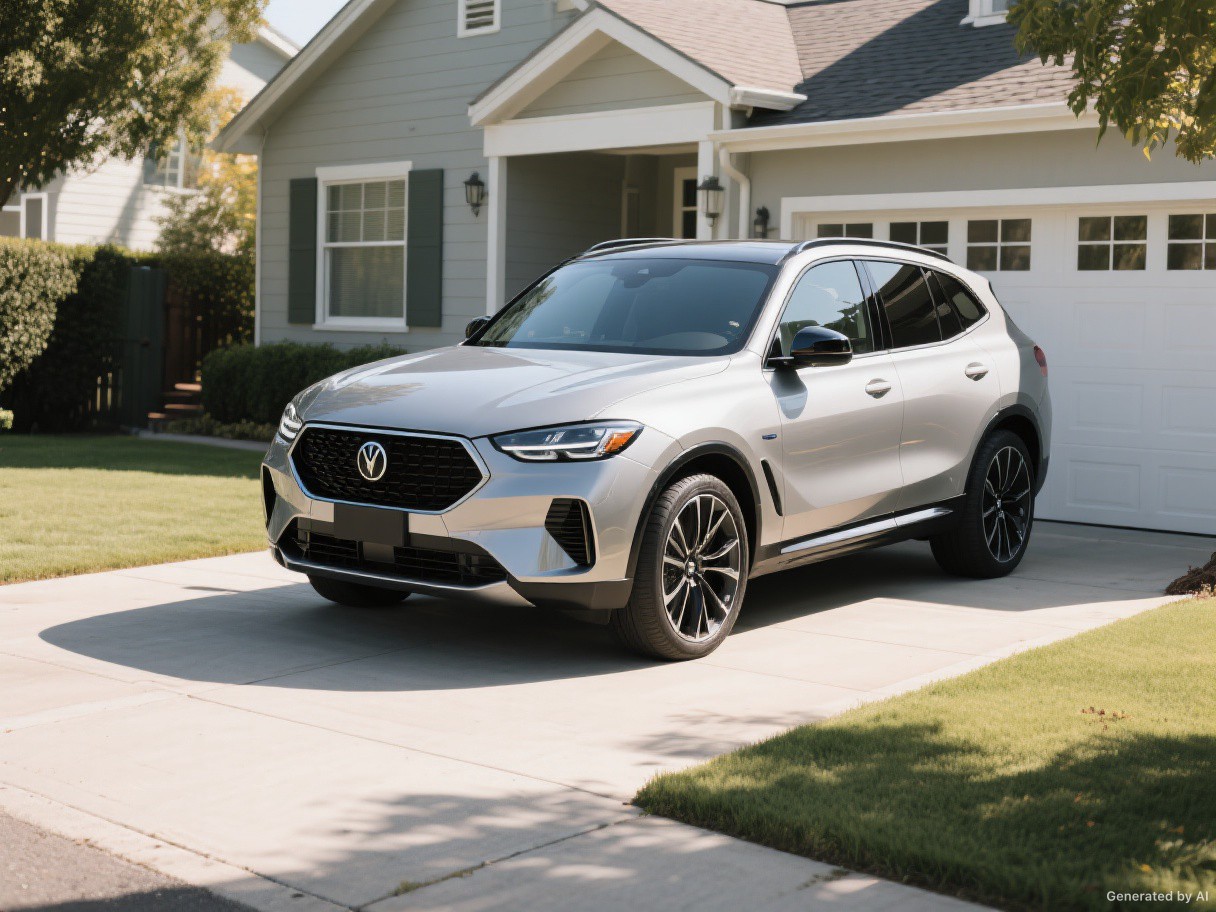
Representative vehicle in the sport utility vehicles (suvs) category

SUVs make the most sense when buyers genuinely need easier access, higher seating, more family flexibility, or rougher-road confidence than a hatchback or sedan provides.

Best fit

SUVs make sense when

You need easier access, family space, or rough-road confidence often enough to justify the bigger footprint.

Main caution

Where buyers drift wrong

Many buyers pay SUV running costs for image even when a crossover or sedan would solve normal life more cleanly.

Key check

What decides the shortlist

Cargo shape, second-row comfort, parking ease, tyre cost, and powertrain fit usually matter most.

What matters most

SUVs are strongest when the extra height, access, and family flexibility solve a real daily problem, because the category becomes expensive clutter when buyers choose it mostly for image.

Who this body style suits best

  • Families wanting space, easier ingress, and flexible cargo layouts.
  • Drivers needing a more commanding seating position.
  • Buyers facing mixed roads, weather, or occasional towing needs.

Common trade-offs to watch

  • Not every SUV gives better space or value than a crossover or minivan.
  • Fuel use, tyre cost, and size can rise fast with large SUVs.
  • Many buyers choose SUVs for image when a hatchback or sedan would work better.

Daily reality

What this body style changes once you live with it

Try the rear seats and cargo floor before assuming a taller body gives you more usable space.

Money lens

What this changes in cost

SUV ownership usually means paying more for tyres, fuel, and size, so the extra height needs to solve a real problem.

Practical lens

What this changes in daily use

SUVs help when you need easier entry, child-seat height, rough-road confidence, or a more upright seating position.

Ownership lens

What this changes after you buy

Parking footprint, turning ease, roof height, and cargo shape matter more than the broad marketing promise of 'versatility'.

Closest alternatives worth test-driving too

Many buyers only realise the better category after comparing the nearest alternative, not after reading a spec sheet in isolation.

Where to narrow the shortlist

SUVs deserve shortlist space when the extra height and versatility solve a real daily problem often enough to repay the extra running cost and footprint.

Questions buyers often ask

Who is Sport Utility Vehicles (SUVs) usually best for?

SUVs usually suit families and drivers who genuinely benefit from easier entry, higher seating, rougher-road confidence, or more upright cargo flexibility.

What do buyers most often overlook with Sport Utility Vehicles (SUVs)?

Buyers often overlook how quickly fuel use, tyre cost, parking difficulty, and unnecessary bulk can outweigh the benefits of SUV height.

What should you compare after choosing the body style?

Compare SUVs against crossovers and minivans on family access, cargo shape, second-row comfort, running cost, and parking ease before locking in the category.

Decision steps

How to decide whether an SUV is actually right for you

  1. Start with your real passengers, luggage, parking environment, and road conditions rather than with category trends.
  2. Check whether an SUV fits the daily problem better than the closest alternative body style.
  3. Once the category still makes sense, compare specific models on space, efficiency, comfort, and total running cost.

What buyers miss

Where this category wins, and where it quietly disappoints

SUVs can be brilliant family tools when the use case is honest, but they become expensive clutter when buyers mainly want the image of versatility instead of the discipline of comparison.

  • Not every SUV gives better space or value than a crossover or minivan.
  • Fuel use, tyre cost, and size can rise fast with large SUVs.
  • Many buyers choose SUVs for image when a hatchback or sedan would work better.

Detailed category notes

Sport Utility Vehicles (SUVs) overview and deeper context

These notes help once you already know the category is genuinely worth shortlisting and want more context before comparing specific cars.

Why SUVs became the dominant family choice

SUVs won buyers over by combining easier entry, higher seating, and flexible family packaging with a sense of confidence on mixed roads. Those gains are real, but they arrive with meaningful penalties in size, fuel use, and tyre cost.

Where an SUV genuinely earns its footprint

The category is strongest when the height and space solve a repeated daily problem rather than a vague ambition.

  • Families loading children, bulky gear, or older passengers regularly.
  • Drivers who value easier ingress, higher sightlines, and rougher-road confidence.
  • Use cases where towing, upright cargo space, or mixed-surface travel matter often enough to justify the size.

Where the category gets wasteful

SUVs become expensive clutter when buyers pay for height, weight, and wheel size without using the space or capability honestly.

  • Crossovers or minivans often solve the same family brief more efficiently.
  • Parking stress and tyre bills can become daily reminders of overbuying.
  • A good SUV should justify itself on access, seating, cargo, or terrain, not just on stance.